Written by Eng. Nabil Eid. Strategic Disability Inclusion ICT Accessibility consulting services & solutions Middle East and North Africa.
Today, 54 per cent of the world’s population lives in urban areas, a proportion that is expected to increase to 66 per cent by 2050. Projections show that urbanization combined with the overall growth of the world’s population could add another 2.5 billion people to urban populations by 2050, with close to 90 per cent of the increase concentrated in Asia and Africa, according to The World Urbanization Prospects and United Nations Department of Economic and Social Affairs report.
And according to the International Labour Office (ILO), it is smart to invest in improvement of accessibility in urban environments and services, if designed and built following accessibility or inclusive “Universal Design” principles from initial stages of planning and design, bear almost no or only 1 per cent additional cost. It is a great deal more expensive rebuilding, renovating or redesigning existing inaccessible infrastructure or facility to make them more accessible and inclusive. The cost of not incorporating accessibility/universal design can also be significant. Taking into account the loss of human capital and opportunity cost incurred due to inaccessibility, economies stand to lose a great deal more when significant groups, such as persons with disabilities are excluded from participation.
Importantly, the New Urban Agenda needs to ensure that future cities, towns and basic urban infrastructures and services are more environmentally accessible, user-friendly and inclusive of all people’s needs.
In recent years, designers and developers have been encouraged to think more about movement within the city. Accessible design, usable and inclusive design, and universal design are all approaches to design that can result in products that are easier for everyone to use, including people with disabilities and older age.
Such concepts apply across the entirety of built environment, including not only buildings, transport infrastructure, public space and parks, but also to key products, services and facilities that help improve the experience of movement and connectivity. Consequently, opening up the city to all by improving the experience of movement for all urban residents will involve a wide array of different types of designers, each of whom will benefit from collaborating across disciplines and working with experts in a range of technologies or on designs that extend beyond their traditional spheres of interest.
In this context, there is a need to view accessibility as an investment in a public good that contributes to effective, sustainable and equitable development for all and not merely an issue of cost or compliance. This will involve fundamental reconsiderations of policies that address the objective of equalization of opportunities for persons with disabilities, as a target group, and to focus on measures that contribute to accessibility to the general systems for all.
With the expansion of smart meters, like the Advanced Metering Infrastructure (AMI), using new Information and Communication Technologies (ICTs), such Internet of Things (IoT) applications, typical edge computing technologies (Including the mobile edge computing, loud computing), big data, and Artificial Intelligence (AI), drive unified coordination, cross-sector collaboration, and intelligent analysis for effective management of services in a smart city, each smart city will be equipped with various kinds of electronic devices. Therefore, equipment and technologies enable us to be smarter and make various aspects of smart cities more accessible and applicable. Open issues and future research directions are identified as well.
The key features of potential smart cities in 2020. Smart citizens, smart energy, smart buildings, smart mobility, smart technology, smart healthcare, smart infrastructure, smart governance and education and finally smart security are the aspects of smart cities.
There are six smart components (Smart connections, smart economy, smart people, smart government, smart environment, smart living) that support to build a smart city. No one component can stand on its own, but through concerted efforts and cooperation, success can be achieved and provide the strength necessary to embrace change successfully.
Inclusive Smart City
Smart City initiatives are getting more and more attention from the academies, industries and governments at a global scale. A wide range of sectors such as education, health, security, public safety, business, government administration, and civil society are taking advantage from the use of technology to reduce costs, bring agility to public services, achieve a more efficient management and obtain better quality of life. Yet, to be considered “smart”, a city must reinforce the participations of everyone recognizing the diversity of citizens, struggling against the segregation of minorities, and trying as much as it can to eliminate, not only physical but also digital, barriers. That is what we call Inclusive Smart City. “Will the real smart city please stand up?”
The Inclusive Smart City is a new citizen-centered approach that aims to extend the experience provided by Smart Cities solutions to all citizens, which means including persons with disabilities and aging population. When associated to Universal Design, Smart Cities can profoundly change the experience that PWDs have in the urban space, providing tools that guarantee independence and autonomy for people that constantly feel the city as chaotic and a source of plenty of difficult situations. Furthermore, if a Smart City Project is designed and implemented taking into account the needs of people with disabilities, it is most likely it will also meet the expectations of ordinary people.
Smart cities are inclusive and friendly
The smart city is becoming smarter than in the past as a result of the current expansion of digital technologies, with taking the heterogeneous environment into account, various terms, like characteristic of objects, participants, motivations and security policies.
Many of the challenges faced by the smart city concept is to ensure the engagement of all groups of citizens and to promote inclusivity. Smart city applications should be inclusive in terms of providing opportunities for all and ensuring that particular groups are neither left out of positive impacts nor disproportionately affected by any societal costs that may be imposed. For instance, the needs of vulnerable groups such as women, the elderly and persons with disabilities should be integrated into smart city strategies. The need to ensure inclusivity for such vulnerable groups is especially important because there is a significant possibility that they will lack the skills to use smart city applications or that their livelihoods may be the most affected by smart city applications. Promoting participatory governance in cities is a prerequisite for developing inclusive smart cities.
The key challenges under the Smart Cities initiative for disability sector can be highlighted as follows:
Lack of awareness regarding e-accessibility for persons with disabilities by the stakeholders.
Lack of data or guiding policies/principles on persons with disabilities.
Poor project execution leading to the failure to incorporate features for persons with disabilities.
Smart city proposals that lack accessibility features
No benchmarks for accessibility features like other services.
Smart cities to ensure inclusive development
Innovative technology applications can ensure that smart cities are inclusive and friendly, including towards the elderly (who often have limited mobility) and people with disabilities. Develop smart infrastructure and innovations can make life in a city easier and more enjoyable and city governments should therefore channel the efforts of local innovation systems to continuously formulating new smart city applications that ensure inclusive development.
Smart Cities can offer a better experience for PWDs to also gain a higher quality of life. The proposal is a two-fold approach:
Boosting well known assistive technology already installed in the city with IoT technology
Creating innovative interactive tools, such as wearable devices, which receive contextual information from the environment and, depending on the PWDs restrictions, can behave appropriately, using different interaction modalities.
The concept of a smart city is highly context specific. It is therefore important for national and city governments to work together with all relevant stakeholders to develop a common understanding of what a smart city entails in their specific national and local contexts.
Smart cities and infrastructure designs need to be people centered. They should respond to the needs and challenges of specific urban systems and recognize the potential of technology as an enabler and at the same time understand its limitations.
In designing smart cities and infrastructure, several key design principles need to be followed, namely inclusiveness, resilience, sustainability, interoperability, flexibility, risk mitigation and safety.
Governments have at their disposal a broad array of tools to develop smart cities, including inter alia output-based contracting, public–private partnerships, procurement policies, planning and development frameworks, social and entrepreneurial investment funds, research funds and the provision of support services. Such tools can enable Governments to actively shape markets and correct market failures related to smart infrastructure.
Smart infrastructure has the potential to promote inclusive development (including gender inclusiveness) in cities by helping to generate data on informal settlements and informal sectors and other marginalized groups in society (including women, the elderly and persons with disabilities). Such data can then be used to design infrastructure that specifically addresses the needs of such groups.
Indeed, some Smart City initiatives do not envisage PWD and their needs. There is still a lack of studies that carefully consider the impaired citizens in a Smart City Project. For this reason, the challenge of enabling cities with IoT components driven to accessibility can be seen as a great opportunity, since they can stimulate the advance of innovative research projects and market solutions.
The main feature of the Inclusive Smart City is the ability of identifying places and objects (or things) and making this information digitally available. Once this information is available, it can be sent to devices that receive the information and personalize this information according to the disability of the user.
Moving Forward: Accessible and inclusive approaches to Smart Cities
Internationally, there are initiatives being undertaken to develop guidelines such as the Global Initiative for Inclusive ICTs G3ict and World Enabled standards and tools for making Smart Cities inclusive for persons with disabilities. These tools should be adopted and implemented. G3ict and World Enabled believe that now is the time to design a more inclusive and accessible approach to Smart Cities.
Initiative, Smart Cities for All, is key to help all of us continue to work on accessibility.
In collaboration with G3ict and World Enabled, with support from Microsoft, launched “Smart Cities for All Toolkit” to define the state of accessible technology in cities worldwide with a focus on closing the digital divide for persons with disabilities and older persons.
The toolkit aims to empower city leaders with resources that will lead to communities that are more inclusive. Resources include guides for implementing ICT accessibility standards and procurement policies, ideas for how to make the case for a stronger commitment to digital inclusion and a framework for a database of accessibility solutions.
Finally: Inclusive smart cities an important opportunity to advance three particular aspects of a just and sustainable world. Smart cities making investments in new infrastructure should focus on models that create economic benefits for all including persons with disabilities and older persons, inclusive smart cities also can advance essential rights, including decent work opportunities, an adequate standard of living, and opportunities to participate in cultural life.
It’s easy to talk of inclusive growth which benefits all people, but putting it into practice is easier said than done. “No one will be left behind”.
Written by Rosemary Musachio, Chief Accessibility Officer (CAO) at Ruh Global Communications
A few months ago, the local news program did a piece on a man with a disability getting married to a woman without a disability. Why is that news, I thought. Thousands of couples marry each day, yet their nuptials aren’t featured on the six o’clock news.
Like everyone else, persons with disabilities are romantic and sexual. We need to love and be loved. Although some of us can’t move our legs or our arms, our hearts still beat like African drums when we’re in love. Although some of us can’t use our hands to caress or our lips to kiss, we find other ways to express our love and desires. If society doesn’t know this, it shouldn’t matter, right?
Dr. Danielle Sheypuk
Wrong.
Dr. Danielle Sheypuk is a sex therapist for persons with disabilities. In a TedTalk she gave, she said sex is one of the basic drives of humanity. According to Dr. Sheypuk, a former Miss Wheelchair New York, persons with disabilities are ignored in the dating scene because society sees us as asexual beings. Once again, it all stems back on how the media portrays us, or rather how it shows the ideal man and woman. They have biotic abilities and mint beauty. They can do incredible gymnastics in the bedroom without breaking bones or even getting their hair messed up! So when people see these images, they search for similar characteristics in romantic partners. To them, therefore, we may be considered broken or sick.
The Intouchables
As I wrote in The Media Shines A Brighter Spotlight on Persons with Disabilities, the film industry has portrayed us as asexual until recently. Films like “My Left Foot” and “Christie” show how we aren’t considered sexual beings by the able-bodied. Movies such as “Children of a Lesser God”, “The Intouchables”, and “Me Before You”, however, show how persons with disabilities can be desirable to individuals without them. In these films, the non-disabled partner is either a caregiver or a teacher whose profession allows them to see beyond the disability. Because of their professions, they become acquainted with the individuals, not their debilitating conditions.
Besides asexual, society has portrayed us as other sexual stereotypes. As Dr. Tom Shakespeare wrote in his book The Sexual Politics of Disability, we also are misconceived as hypersexual. Since nobody wants us, we have plenty to give. This myth has led to horrible consequences. When persons with disabilities were institutionalized, facility workers often used to molest and rape them. Sadly, cases still exist today. For example, according to Care2, California reported thirty-eight incidents of molestation and rape at developmental disabilities facilities within the last four years.
Dr. Tom Shakespeare
Another stereotypical belief cited by Dr. Shakespeare is that our disabilities will be inherited by our children. Many disabilities are not genetic, however. So if a person who has cerebral palsy or paralysis due to an accident, the baby probably wouldn’t have a disability as the parent has. Yet, even if a person has a genetic impairment, having sex isn’t about procreation. It’s about expressing love, feeling pleasure, and making someone else feel it.
Those stereotypes that Dr. Shakespeare identified are discussed in depth in the 1994 documentary Untold Desires. The extreme blunt 1994 film presents the perspectives of men and women with disabilities, caregivers, and health professional about sexuality. Although it was created twenty-three years ago, it still compels viewers to open their minds about how we can show love and passion in diverse ways. The documentary was filmed in Australia when ideals and beliefs have been more progressive than those of the United States during that time and even now.
Individuals with disabilities definitely can show love and give pleasure. They just may not do it as everyone else seems to do it. As Andrew Morrison Gurza writes in Why Sex With Someone With a Disability Is the Best Sex You Could Be Having!, arousal and fulfillment can be achieved in several other ways than normal intercourse. When you make love to a person who can’t be in certain positions, it forces you to be creative. The creativity makes sex more exciting, more spiritual in some cases. Since this is a PG-rated blog, you need to use your imagination as you do in lovemaking. Yet, here are subtle hints: different positions, assistive sexual devices, and different parts of the body.
Andrew Gurza
As Gurza also states in his article, besides using creativity, another benefit to making love with a person with a disability is open communications. The intimacy doesn’t start with the body; it starts with the mind, heart, and soul. Even before the lovemaking begins, you need to know what works, what hurts, and what makes both of you orbit. Afterwards, you should talk about the same things, only in the past tense. Many persons without disabilities don’t need to communicate before or after having sex. While they may experience momentarily pleasure, they may not feel fulfillment in their souls as (ironically) those who have physical obstacles do.
Some individuals with disabilities are compelled to seek sex surrogates if they can’t find anyone who is accepting, understanding, and compassionate enough to have a relationship with them. In “The Sessions”, Helen Hunt portrays a sex therapist who helps a paralyzed man with an iron lung have his first sexual experience. Both of them develop feelings for each other, overstepping the therapist-client relationship. While the concept of having a sexual surrogate is well intended, we shouldn’t have to go to that extreme. We should be able to find a loving, caring partner somehow, someway. Yet, this is romantic fiction for many of us.
So I guess running a story on the six o’clock news about someone with a disability getting married is noteworthy. It proves that being attracted or in love with us isn’t fiction at all.
David Pérez Rueda is the Chief Global Strategist of Ruh Global Communications
By David Pérez Rueda
“In the year 2000, 189 countries came together to face the future.”[1] This phrase references the Millenium Summit where civil society, advocates, and state representatives came together to produce a set of goals that could help the world overcome perennial problems such as famines, droughts, wars, plagues, and poverty.
The most important outcome of the summit was a fifteen-year plan that was called the Millenium Development Goals. This plan is a set of 8 goals that imagined a future that no hunger or poverty would exist. According to The United Nations Development Program, during those 15 years, progress was tremendous as hunger was cut in half and extreme poverty was down nearly to half of what it was at the beginning. In 2015, more kids were going to school, and fewer were dying.
The countries that were involved in the process saw their development indicators rise dramatically and understood the importance of the process. When the time came to finalize the Millenium Development Goals, they were more than ready to start setting a new pathway to build on the successes of the past 15 years and answer some of the unsolved issues.
That is why a very intricate process was designed to come up with a proposal for the post-2015 framework for international development with special task forces[2] assigned by the United Nations to develop them on the background, analyzing the situation and technological advancements brought on by globalization as soon as 2012.
On September 2015, the 194 countries of the United Nations General Assembly adopted the 2030 Development Agenda titled “the 2030 Agenda for Sustainable Development”, which was comprised of 17 goals and 169 targets associated with them. Before we dive deeper into the Sustainable Development Goals, it is important to understand the premise of this article. For the last couple of months, Ruh Global Communications has been conducting research to understand the situation of Disability and Inclusion in Latin America and published an article on July 21st that analyzes how inclusion and equal opportunities reality is lagging far behind, even though the legal framework has strengthened when it comes to disabilities.
Even though the reality is far from ideal in Latin America, the existence of these laws has become a great tool for organizations in civil society that are dedicated to helping those with disabilities achieve their true potential. The most important realization of this research was that most of the laws were developed and approved during the early 90’s, which correlates directly to the time United Nations was leading the charge on inclusion with the publication of The UN Standard Rules on the Equalization of Opportunities for Persons with Disabilities.
What this means is that developing countries in Latin America are very susceptible to ideas and projects led by United Nations and looking at the Millenium Development Goals. This claim is ratified not only by Latin America but by developing countries all over the world. Governments have been accomplishing what United Nations have been asking for. There is an easy explanation for their compliance.
International Cooperation is a very intricate process that varies from country to country, but the premise is always the same. It is usually done vertically where developed countries decide where they want to allocate the available funds. Therefore, to have a better chance to receive cooperation, a good international standing is fundamental. Reputation is crucial when cooperation, international relations, and goal achievements are involved. Such as the ones brought forward by the United Nations. These premises are secure ways to promote a country’s commitment to Human Rights and development so developed countries feel that their investment is not going to be wasted.
The Sustainable Development Goals (SDGs) are an opportunity for development in developing countries. Without a doubt, they set the table for meaningful change with the idea of ending poverty, protecting the planet, and ensuring prosperity for all as key elements.[3] Of the new development agenda, we can be confident that significant changes and successes similar to those achieved with the Millenium Development Goals will happen.
However, where is Inclusion and Disability in all of this? Well, that is exactly where the Golden Opportunity lies for developing countries regarding accessibility and inclusion. Disability is referenced in various parts of the SDGs and specifically in parts related to education growth and employment, inequality, accessibility of human settlements, as well as data collection and monitoring.
Out of the 17 goals, disability and inclusion are linked to at least five as follows: [4]
Goal 4. On inclusive and equitable quality education and promotion of life-long learning opportunities for all focuses on eliminating gender disparities in education and ensuring equal access to all levels of education and vocational training for the vulnerable, including persons with disabilities. In addition, the proposal calls for building and upgrading education facilities that are child, disability, and gender sensitive.
Goal 8. To promote sustained, inclusive and sustainable economic growth, full and productive employment and decent work for all, the international community aims to achieve full and productive employment and decent work for all women and men, including for persons with disabilities, and equal pay for work of equal value.
Goal 10. Strives to reduce inequality within and among countries by empowering and promoting the social, economic and political inclusion of all, including persons with disabilities.
Goal 11. Would work to make cities and human settlements inclusive, safe and sustainable.
Goal 17. Stresses that in order to strengthen the means of implementation and revitalize the global partnership for sustainable development, the collection of data and monitoring and accountability of the SDGs are crucial.
As you can see, the real opportunity for much-needed change for people with disabilities exists worldwide. If countries want to achieve the SDGs, they need to start making real strides and taking real steps to actually become more inclusive, not only on paper but in reality.
That is where you and Civil Society enter. If you are part of an organization that advocates or promotes the rights of PWD, you need to start approaching your government officials and offer help to achieve the goals. Initiatives are necessary, and no one understands how to answer the needs of the community better than the community itself. That is why governments need your help and will greatly appreciate that citizens are helping them make a better world.
I find that working with the governments, not against them, is fundamental. We should always monitor government actions. Yet, when the opportunity to make changes with the government arises, it is necessary to work with them, guide them, approach them in a friendly way, and try to help them. In this scenario, we have a win-win opportunity to build real change for people with disabilities worldwide.
If you or your organization have been working on the matter for a long time, your experience will be welcomed with open arms. I have personally talked with local government officials, and they feel lost in the issue. Our responsibility is to take advantage of the current situation. If we understand that governments need to work on accessibility and inclusion to achieve their goals, our path is clear to work with them to approve projects and laws that directly affect future generations and that make the world a better place for all.
Human Potential at Work Podcast Show Flyer for Episode 72: A Sibling’s Perspective on Disability and Human Potential
Guest: Kevin Ruh Guest Title: Chief Marketing Officer
Date: September 7, 2017 Guest Company: Ruh Global Communications
[Intro music]
Debra: Hello, everyone. This is Debra Ruh, and you’re listening to Human Potential at Work. My guest today is Kevin Ruh, and Kevin is the Chief Marketing Officer for Ruh Global Communications.
Kevin manages our social media teams and is very, very good on social media. Kevin also, you might recognize his last name’s the same as mine, and Kevin is my son, and Sara’s brother.
So, today we want to talk to Kevin about his experiences growing up as a sibling of a person with a disability. And also, we want to talk a little bit about millennials. So, Kevin, welcome to the program.
Kevin: Thank you for having me, Debra.
Debra: So Kevin, of course I know that when you were born, Sara’s older than you, so this is all you ever knew in your life. But, I know that there were things that I worried about. About having a child with disabilities, especially when Sara was going into middle school. I really worried, as a lot of parents do, that you know maybe there might be some bullying and people would not be nice to Sara, because she had a disability.
And I worried about that, not because it was grounded in any personal experience, but you know, I worried about a lot of things when you guys were in middle school. But what actually happened was that really the kids were really, really nice to Sara. As a matter of fact, they were nicer to Sara than they were often to each other, and certainly to you. And that really surprised me.
Kevin: Well, Sara’s a lot more outgoing than most people, too. And you know, you can say that a part of it might be attributed to her being born with Down syndrome, or trisomy 21, which is what she prefers.
But she’s such a kind outgoing person that people just love to be around her, and she’s so bubbly. And even if someone would be negative towards her, she wouldn’t let it bother her in a way that would ever bring her down. You know? It’s like things that bother her, she doesn’t get bothered by the same petty things. Most of the time. You know, she goes through, I know more recently you’ve been dealing with her moodiness, or not even sure if angst might be the right word. Adult, midlife crisis maybe.
Debra: Right. I think part of it is that, you know, Sara sees you, her little brother getting on with his life. You know? Having your own place, going to college, even though Sara also got some college experience. But, I think sometimes it’s hard for Sara because she sees her friends from school, and her brother and others getting in relationships, getting married, and doing things that she considers a normal part of life.
And she doesn’t perceive that she has some of the same options. So, I think some of the behaviors that we’ve walked with Sara over the last couple years is because Sara’s frustrated with her … Assuming she doesn’t have the same choices.
Kevin: Well, and I think part of that, too. Part of Sara’s frustration is that she’s thinking of all these expectations of life, and then seeing that her life isn’t the perfect expectation of the cookie-cutter, exactly what you expect everything’s going to be.
But, Sara’s not unique in that regard, as most people will explain to you. They have lots of expectations and life goes different. Life is not something you can just plan out like that for anyone. And even if you do, things change so much that your plans are meaningless.
But, Sara struggles with grasping that, I think, too. She really wants things to be one way for herself, but you know, things are different. Maybe she won’t have a driver’s license, maybe she won’t live 100 percent on her own, independently, without a little support. But, you know, most of us need support all the time anyways, whether we’re willing to admit it or not.
Debra: Yeah, that’s a really good point, Kevin. And it’s interesting, because I know that she decides what her life should look like based on movies, and television, and things like that. Sara’s very active.
Kevin: [crosstalk 00:05:05]
Debra: Yeah, I know, we do all don’t we? We say, “Oh.”
Kevin: And that’s part of society showing us these things. The ideals and everyone knows you get married, you have two and a half children, and you go to your nine-to-five job. And it’s not always like that, things are different.
Debra: I know. And I, as somebody that has struggled with control issues in my life at times, I think is a good point you brought up in that you understand exactly how your life’s gonna work and you’re controlling everything. And then of course life happens, and it’s like, “Oh. Well, I certainly wasn’t expecting that to happen.”
Kevin: Well, and yeah. Quote, unquote people with disabilities, like, you consider yourself maybe to not be a person with a disability. Well, people like you all the time, things happen and maybe tomorrow you will be … You know, have an impairment that you didn’t have before. And you’ll have to adapt to life. It doesn’t end, and it’s not different.
Life is just life. And unfortunately it takes on so many different forms that you kinda have to roll with that. It’s tough. You don’t get a choice a lot of the time.
Debra: I know. And I think that’s a really good point. I know that we’ve been walking some interesting steps both with my mother, that moved from Florida to Virginia because of health reasons. And then also your father recently, well not recently but he’s now wearing hearing aids because over the years he sustained significant hearing loss. And he’s also walking some other paths right now.
So, life is about contrast, I think. And there are no guarantees, and we just have to live as authentically as possible. But, let’s go … One thing that I … And I know you can’t represent every millennial in the world, but I’m actually very, very hopeful about millennials because just that example I was given earlier about assuming that maybe Sara would get picked on when she wasn’t at all.
As a matter of fact, you and your peers all picked on, you know, got picked on. But, not so much Sara. It was almost like the kids felt Sara was off-limits. And I remember a time when we went to camp and some other kids that didn’t know Sara came to camp, and a couple of kids started picking on her. And the kids from the neighborhood were like, “Uh uh. No. She’s off-limits. You’re not going to be mean to her. She’s our friend. She’s cool.”
And they taught very quickly in a very authentic way, the other kids to respect Sara. But I didn’t necessarily see them do that with each other.
Kevin: Yeah, the whole bullying talk right now is legitimate. I mean, I don’t think anybody should be made to feel like so terrible and people bullying them. That’s, of course, it’s a bad thing. But, part of it too is how you’re gonna take it. So, if someone shoots you a dirty look, and you’re upset about that, then you need to check your own energy, because that dirty look has maybe nothing to do with you. Maybe everything to do with you.
But that person was obviously in a different head space, and you’re letting that change your own. Sara, I don’t think, would let that happen. If somebody snickered at Sara on the street, she would probably take it more as like, “Oh, that person’s laughing.” And you know, as opposed to you assume … You have to assume the positive intent, I guess.
And that’s what Sara’s really good at, most of the time, is just picking out the most positive of anything. And making herself happy even if she is going to a place of fantasy with herself. But she gets really excited about whatever. And she’s very authentic in that way. And, yeah, people like that. That’s why, I think, she has had a lot of friends. And less experiences with people being negative towards her, because she’s too positive to let that affect her. And for some reason that positivity works more than the negativity ever could, and I think that that’s a lesson in a lot of aspects of life, too.
Debra: I agree. And I think that’s well said. And the reality is, a lot of people with disabilities are bullied. And so, Sara maybe was more of a lucky one, being an individual with trisomy 21, or Down syndrome, that wasn’t bullied as much.
Maybe part of it is because she had her little brother. Kevin and Sara wound up being in the same grade, because we held Sara back in elementary school just to give her more time to work on the basics. And Kevin and Sara wound up being in the same grade. Starting in the second grade, they were always in the same grade.
And Kevin was always very kind and always included Sara, and all of his friends included Sara. And so Sara had a really, really good experience in high school, but some of her peers did not. A lot of … Some of her peers with autism, some with other Down syndrome that weren’t as outgoing as her, they did not fare as well.
And you know, there was one story on the bus that I was hearing about. And as a mom, I was very concerned about it. But, Kevin was like, “We got it. We got it, mom. We don’t need you to get involved.” But, I remember there were two girls that lived down the street from us, and they would get on the bus right around the same time that Sara and Kevin would.
And Sara got on the bus and she saw these two girls, and she said, “Hey, can we be friends?” And they said, “We’re not your friend. No. We can’t be friends.” And it was hard for Kevin to see that because it really made him mad. But one thing he had to learn as a sibling was that sometimes you gotta let things go that you don’t have control of too. And so, then he proceeded to tell me every single day Sara would get on the bus and she would go up to these two girls and say, “Hey, are we friends today?” And pretty much they’re like, “No. We’re not friends.”
Next day, “Are we friends today?” “No, we’re …” And she wore them down. Finally after, I don’t know, a month of this, she gets on the bus and the girls are like, “Yes. We’re friends.” “We’re friends? Yay.” And she gets all excited.
I don’t know if you want to comment on that story.
Kevin: Well, I think that’s a lesson in wearing someone down with kindness, too. Is eventually even if someone’s really being nasty, and you’re trying so hard to be positive. And more and more positivity, adding all that, and just really not letting them bother you.
At some point, they really have to take a step back and think about the way that they’re doing that. And I think about this, when people are yelling at someone who’s trying to do their job in a service, maybe at a restaurant or something. And they’re just screaming at a waiter. And it’s like they don’t have a lot of control, they’re not getting paid a whole lot. And they’re trying so hard, because this is their job. But, you know, you’re … I think when you think back on that, you can’t think back positively on screaming at someone for something out of their control and making someone else feel bad.
I don’t think ruining anyone’s day makes someone’s day. But, I mean, wearing someone down. Eventually they have to think about, “Why is this person still being nice to me? I’m being so nasty. And yeah, why, why, why am I being so nasty?”
So maybe it’s a good lesson to be gleaned in there, too. Like, even if you are having a bad day. Like, really think about it. And it might help bring your day up a little bit. Not to wallow in misery, but just be thankful for everything that you do have. You know?
And like, the kindness that is most humanity.
Debra: Right. And so, Kevin, I know that all you know is having a sister, one sister. And your sister was born with Down syndrome. But, how do you think growing up with a sister with Down syndrome was different for you? How is your life different because of Sara? And I know that’s a tough question because this is your life. But, do you think there were disadvantages? And I know there were disadvantages of having a sister, a sibling with a disability, because sometimes your father and myself, we, you know, sometimes I know that we had to pay attention more to Sara, and we worried more about Sara in some situations.
But maybe there are also some benefits to it. I remember so clearly something that you said to me one time. It was, once again, in middle school and there was a Halloween dance at school. And so, or maybe it was around the holidays, around the Christmas, you know, the winter holidays.
And there were two different dances. There was one at the middle school. And then there was one at this recreational program for adults with disabilities. And I remember so distinctly that you went to the dance. Both you and Sara went to the dance. Sara actually became … She got princess of the dance, which kind, kind people. Kind young people at this school, that were very kind to Sara. And she still talks about winning the … I think it was the Halloween dance, she was the Halloween princess, or something.
But, she got a big thrill out of that. But, what happened was, the boys were on one side of the room. The girls were on the other. And you know, going across that void was hard to do. Only Sara, pretty much, and some of her peers had the nerve to go across to the other side. But then, like a couple days later we went to the dance with all these adults with disabilities. And I remember you saying, “Now mom, this is a fun dance.” Because nobody cared what they looked like, nobody cared how you were dancing. Everybody was just having a blast.
Kevin: Yeah. I mean, the pros and cons, of course, like you think about your parents not spending as much time maybe with me. Or you know, things … I can’t … There was all kinds of pros and cons. And like, your expectations of having a normal sister that you can talk to, or who knows what that normal expectation should be, because I think anyone with a sibling can tell you, it’s not the movie ideal of like the perfect relationship.
And if that is what you have, then that’s awesome. And you should be very thankful. But, it’s part of life, too, is that Sara has always been my sister, and will always be my sister. For better or for worse. For trisomy 21 or no, she’s the best sister that I would ever want. You know? And I wouldn’t take her back.
But yeah, and there are a lot of pros to having Sara as a sister, too. I think I learned about people. And people really show you who they are. And sometimes you see a little bit of negative stuff, but for the most part I feel like everyone is just … You see the biggest burly men with big tattoos and a huge beard, and look like they’ve been living in the mountains for six months just hug Sara and melt, smiling. Because Sara’s so joyful, and it’s amazing to get a hug from Sara.
But, you know, you get to see a lot of people. Our relationships with Sara can be very complex. And she gets that as well. The relationships, complexity with all kinds of people. We all deal with that. There are people we love, and then people we hate. And then people we hate to love, and people we love to hate. So, it’s contrast. And that’s part of life that I think Sara’s helped me learn about.
But as the dance, you know, I will never forget seeing all of my peers from school. Just the boys and girls are separate at that age, you know. Middle school age. And there’s music playing, but it’s like two separate walls of people staring at each other like, “I wish I could go over there. But, nope, not gonna happen.”
So, then going to the Christmas party at the … I think it’s the Arc program that we used to go. Everyone would be cutting loose, and throwing down on the dance floor. It was ridiculous and so much fun.
And yeah, you don’t care how you’re dancing and I think that’s what dancing should be about, too, is you know, having fun with it. And that’s what something Sara’s always taught me is that you should try to have fun with any and everything you’re doing. And yeah, that’s a good lesson, you know? You’re only as miserable as you want to be. And Sara doesn’t like to be miserable. So, most of the time she’s very positive and happy.
Debra: And Kevin, what do you think about the future? I mean, is this something that … Obviously, in our house, we’ve been thinking about the future a lot, especially walking the path with my father dying, and my mom getting sick. And then Ed’s father also walking some health issues. But, how do you think your life is? I mean, do you ever worry about what are the responsibilities you have as Sara’s sibling? You know?
If your parents get to the point where we can’t take care of her? Because the reality with Sara, even though Sara is very high-functioning in a lot of ways. Sara still does need the supports to … She can’t really live all by herself, independently. She’s gonna have to have support. As Kevin mentioned, Sara can’t drive.
Sara’s smart enough to learn the laws. She even could, with a lot of practice, learn to operate a vehicle. But, there’s that third thing that you need when you’re driving a car, the instincts to move quickly. And we had Sara tested up at Woodrow Wilson Rehab Center, which is not that far from our own. And they just said that they really did not think that she had the reaction skills to drive. So, she still talks sometimes about driving and she also, Sara, will make up things to explain something to her.
For example, Sara’s like her mom, and she’s overweight, and she’ll get gas moving around in her stomach. And she’ll say, “Oh mom, the, the baby’s kicking.” And it’s like, oh, well, no, you’re not pregnant, but, “No, no. I am, I am.” Because she sees it on television.
And sometimes when Sara’s explaining something, you almost have to listen to what she’s saying, and then interpret what that is she’s saying. So, when she’s saying, you know, “Oh, the baby’s moving around.” I have learned to interpret that as maybe Sara has a stomach ache.
And I know, Kevin, you’re really good at interpreting her. But, I’ve also had some of her friends … She has quite a few friends with autism. And they’ve said, “Sara is lying about being pregnant.” And it’s like, well, it’s not that she’s lying, it’s an interpretation. Anyway, sometimes our life is very interesting.
Always our life is very interesting. But, we have to do some interpretation sometimes that maybe other families don’t have to do. And I don’t know if you want to comment on that, Kevin.
Kevin: Well, yeah, I mean there’s … She has trouble at times saying what she really means. And you know, who doesn’t have that? That’s a human problem. But yeah, I think Sara does this too, because as I said before, she gets really excited. And these prospects of her being pregnant, all these things are so exciting to her, of course.
But, you know, obviously she’s not pregnant. And yeah, she’ll get upset at you if you’re like, “Well, that’s not true.” So, when she talks to me about those kind of things, I try really hard to just redirect the conversation to, you know, obviously, back to reality.
But yeah, as you said, there is something to be learned. If she’s talking about how her stomach’s moving around, then she’s obviously … Something’s going on. And Sara isn’t the type to … She has a very high pain tolerance and stuff. So if Sara’s telling you, like, “Hey, my foot hurts.” As her friend says, “She’s lying.”
It’s like, well she’s lying about being pregnant, but she is saying that something’s going on with her stomach probably. So, it’s a red flag. And that’s something that’s unique to Sara, I think. But, there are a lot of people who have similar experiences, I’m sure. Dealing with family members or friends who just, they don’t know how to say what they want to say, but you kinda have to look through it all. And then try to understand where they’re coming from.
And it’s something we all have to do. I think even internally. We have to think about why you’re feeling a certain way sometimes. And really examine that. And all of this is healthy, and it’s something that Sara is kind of teaching us to do. Is like, to wade through what you’re really saying and you have to take on a more active listening role to really understand what or why are you talking about this? Okay, well you know, obviously she’s feeling a certain way. She has maybe she’s seen TV a lot of things that are saying, like, “Well, you’re a woman.” Or, you know, I’m sure there’s biological reasons that she’s feeling like she wants to be pregnant.
You know there’s baby crazy. There are hormones that will tell your body, like, “Hey, you should probably be pregnant.” I don’t know how definite …
Debra: Right. How biologically these things work. Do you think, Kevin, that you are a better communicator, and a better active listener because of having Sara as a sister?
Kevin: I think Sara has been one of my great teachers in that, but I think my relationships with all kinds of different people, friends, you know, romantic people, family members, of course. And even strangers, we have to … Yeah, you have to take on that active listening role. Otherwise, you’re not really listening, and I know some people struggle with this.
When I was in elementary school, one of our teachers told my mom that I should be tested for ADHD, or ADD. Or maybe just be put on Ritalin, I think maybe was the suggestion. But, yeah, I have never been tested for ADD and I don’t think that I would qualify as attention deficit, but so many people struggle with that. And I think people who do struggle with that really are owed people actively listening to them, because it’s hard for them to articulate everything. And not be listened to by someone who’s just waiting for the next thing.
But then, at the same time, those people, you have to learn that you can talk to people like that too. And they want to active listen, but it might just be a little bit more of a struggle for them.
So, you know, it’s an adaptive thing too. But really, you know, taking time to listen to one another, I think, would heal a lot of what ails us all as a society, because it’s something don’t do enough. And you know, there’s maybe not enough time when we’re all so busy, and it’s tough to take that time to really sit there and actively listen to someone.
But if you really do, you learn so much and it becomes such a learning experience if you let it. And I think that’s important.
Debra: I agree. So, Kevin, I think one thing that I’d like to see. I’d like to see us having, as a society, more conversations with siblings, with individuals with disabilities. I also have noticed that many people in the professional work that we’re blessed to do all over the world, many of those people actually have siblings, and have been impacted. And it’s changed their lives and they actually are heavily involved in the inclusion of people with disabilities.
And I know Kevin, you chose, you graduated from Virginia Commonwealth University with a fine degree in arts. And I know you’re very artistic, which is one reason probably the social media, and that communication style speaks to you. But, you are actually involved in the work of disability inclusion. Certainly because you’ve been exposed to it. And I know you’re surrounded by a lot of other people that are doing that as well.
But, how do you think … What do you think for the future? When you look at the future, both as for your career, but also as a sibling to Sara that is 30 years old now, and we’re walking the path. But, what do you think about the future and about other siblings of individuals with disabilities? How having the impact of growing up with a person with disability, how has it changed your lives? And what do you think about it from the perspective of the future? The future, meaning as far as society evolving, hopefully.
Kevin: I think being a sibling of a person with a disability is something that will really change your life. But, I think it extends beyond that, too. Most everyone has an impact in their life, or has had experience of someone with a disability. And it’s usually someone that we care about, whether they’re friends or a friend of a friend. Or, your friend’s brother, sister, or you know, who knows, there’s so many … And it’s a community. It’s a huge network of people. And the one thing we all have in common is that we care and have learned that, you know, people with disabilities are people, and not a different who knows.
But there’s no … We are just all people. And once we start to learn that, you know, and whatever teaches you that. Your friends, or your family, anything like that that teaches you, you’re evolving. You’re learning more and more. And I think that’s what the future is gonna be more of, is people understanding that this is evolution to not cast out portions of society that we maybe don’t understand at first glance.
You know, the prejudgment, I hope, is going away more and more. And I think, the more exposure online and stuff like that, whether it is a mixed blessing at times, but part of it too, more awareness, I think is such an important thing for us to take away from what the internet and this connectedness is bringing. We are more connected as a species of human beings.
We need to stop letting all of the differences and politics and all of the differences in race, religion, gender, sexuality. All the way down, to anything, we are people at the end of the day. We need to treat other people with that same respect and love that you deserve. Everyone deserves that.
Even if you’re a hateful person, and you believe in terrible stuff, you can take a second, maybe, and just be like, “Do I want to be this? Do I want to be hateful? Do I …” You just, I don’t think anyone really does deep down. I think you can appeal to that humanity that’s within all of us.
And I think that’s a good thing, that humanity within us all. Even if you’re in a dark place at this moment, your humanity can help you come back. We’re that community this one species, we are and we should strive to help one another. And bring us all back together. You know? As opposed to bringing apart one another.
Debra: Yeah, that unconscious bias really is causing a lot of problems. But, Kevin, thank you so much for being on the program today.
I think this is a topic that we need to explore more as a society. And I know that the work that you’re doing. Making sure that siblings, as well as all … You know, your friends that have … A lot of your friends, even in your twenties, have experienced disabilities in a lot of different ways.
You know, several friends getting really bad cancer, or friends with seizures. Friends with autism, ADHD, and it just makes you realize that we say this all the time, being a person with disabilities means you’re a person.
And we are living in these fragile human bodies sometimes, but we all can add value. So, I’m very hopeful about the millennials, and as a mom, I think you all can understand why I would be very proud of Kevin Ruh.
So, Kevin, thanks for joining the program today.
Kevin: Well, thank you for having me. And I guess, to speak on what you just said, too. The only thing I would want to add is that you’re right, and life is very imperfect. But at the same time, very beautiful. So, I’m glad we’re all in it together, guys.
Debra: I agree. So, thank you, Kevin. Thank you everyone for listening. And I will bring Kevin back on, and I’ll bring him on Facebook Live so you can see how tall he is, with tattoos and a beard. Anyway, everybody have a great day. And we will talk to you next time on Human Potential at Work.
[outro music]
You’ve been listening to Human Potential at Work with Debra Ruh. To learn more about Debra and how she can help your organization visit RuhGlobal.com. If you’ve enjoyed today’s episode and you want to make sure that you don’t miss any future epsiodes, go to itunes and subscribe to Human Potential at Work. Thanks so much for listening and we’ll be back next week with a new episode.
David Pérez Rueda is the Chief Global Strategist of Ruh Global Communications
By David Pérez Rueda
Every time you find an article explaining why brands and corporations should be tapping into the market of people with disabilities (PWD) you encounter the argument that this market influences over a trillion dollars in disposable income. I know the number is shocking, but I am going to explain where this money is coming from and why this market should be seized by many corporations around the world.
First, we need to understand what Disposable Income means; it is the name given to the amount of money that households have available for spending and saving after taxes have been accounted for. In fact, it is one of the most common economic indicators used to gauge the overall state of the economy. So, this means that the trillion dollars that everyone is talking about are what PWD and their families have available to spend. However, where is this number coming from?
To understand where the trillion dollars are coming from, we must comprehend the global demographics of disability. In 2011, the World Bank and the United Nations World Health Organization (WHO) published a document titled “Global Report on Disability.” In that report, they wrote that “it is estimated that more than 1 billion people live with some type of disability; that means around 15% of the world’s total population.”[1] They based this data on the many surveys that the WHO carried out to understand the situation of health on a global scale. This number keeps growing because people are getting older and there is an increase in chronic health problem associated with disabilities.
People Forming the map of China. Source: FutureTimeline.net
What this means is that the numbers estimated by the World Bank and the United Nations World Health Organization have grown considerably, from 1 billion in 2011 to 1.3 billion in 2016. Thus, nearly one out of every five individuals in the world has a disability. This translates to a market that can only be compared in size to the total population of China.
With this size of population living with disabilities, the fact that we are talking about trillions of dollars in disposable income should not come as a surprise, especially when you take into consideration that a significant part of the growing population affected by age-related impairments are the demographic cohort born between the years 1946 and 1964 defined as the wealthiest, most active, and most physically fit generation up to the era in which they arrived, otherwise known as Baby Boomers. This side note is essential to us because according to Accenture [2], Baby Boomers control on their own $30 Trillion dollars just in the United states.
Scale of a Trillion Dollars in Cash.
According to the United States Department of Labor, the disability market is the third largest market segment in the United States[3]. By simply understanding the demographic numbers, you can start to see the reason behind that declaration. Historically, PWD has had on average a lower income than their peers without disabilities. Considering the average disposable income in the USA is $41 071 a year, and that in the countries that are part of the Organization for Economic Co-operation and Development (OECD) is $29 016[4] a year. It is no surprise that even with their income disparity PWD globally influence a market that surpasses the Trillion Dollar mark and we could be talking in the coming years of tens of trillions of dollars.
However, to this disposable income you have to add a critical value, the Friends and Family demographic. It consists of a huge group of people worldwide that have an innate reason to understand disability and its impact on those with whom they have emotional and personal connections. Friends and Family have witnessed first hand the challenges that PWD face when interacting with services and products on a daily basis. Studies that show that this group functions like evangelists “ready to act and preach to others about the value inherent in PWD.”
All this data begs the question why aren´t more corporations tapping into the vast potential of this market. I believe it has to do with old paradigms about disability and accessibility that are still present. Archaic beliefs and prejudices constitute barriers to education employment, health care, and social participation for PWD. They are faced with detrimental attitudes their whole lives.
Employers tend to believe that PWD are less productive than their non-disabled counterparts. Ignorance about inclusion and accessibility limit the company’s perspective, which inevitably translates into a thought that everything that can be done to guarantee access and opportunity for PWD must be done as a charitable service and not as a business plan.
Of course, as awareness grows, more corporations are starting to see this market not as isolation from the mainstream but as part of the broader consumer market. They are starting to realize that innovations derived from helping PWD improve the experience for all. Simply by developing products based on the seven principles of Universal Design, companies can bring change that helps the ease of access for all. An excellent example of this is a physical space that includes ramps and elevators are exactly as useful for a wheelchair user as it is for a mother with her baby in a stroller. Another example is an accessible design for a website or an app, guaranteeing that interacting with it and doing what you want is intuitive, improves user experience overall.
Infographic of the 7 Principles of Universal Design. Source: www.interaction-design.org
The disability market is the biggest untapped market in history. It is one of the greatest opportunities for corporations as it is not only a market that can be seized to sell products. It is also a market segment with fantastic human capital that can be captured with just a few tweaks in the environment that will benefit all employees in ways that companies cannot start to imagine. This market segment gives them a fast return on investment and, at the same time, they are engaging with a sizable market that is quickly engaged at an emotional level.
The only way that CEOs can start to understand how they can access this market is through education, information, and raising awareness within the company to create plans that integrate at a core level the importance of this market as both corporate social responsibility and good business practices.
Debra is joined by her producer, Doug Foresta, and Richard Streitz, COO of Ruh Global Communications, as they discuss the increasing number of people who are aging in place in their homes, and the connection to the disability conversation. Discover how technology is changing the way that people age, and how other cultures and countries are finding innovative solutions to help people stay in their home as long as possible.
David Pérez Rueda is the Chief Global Strategist of Ruh Global Communications
By David Pérez Rueda
On the year 2011, the Economic Commission for Latin America and the Caribbean (ECLAC) published a study titled “People with Disabilities in Latin America: From legal recognition to real inequality.” In this document, the author Maria Fernanda Stang shows how even though People With Disabilities in Latin America are being included in both national and regional agendas, inequity is still preeminent with significant socioeconomic gaps that place PWD in a condition of social vulnerability that demands action.
ECLAC´s study shows that in the early 90s international organizations and governments in Latin America started paying more attention to the issue of People with Disabilities, not at an ideal level but at least there was a space in their discourse and planning for policies regarding the matter. The early 90s is also a significant period because as Mujica and Calle stated in 2006, it marked a significant shift in the approach and language going from considering people with disabilities as victims, and objects of charity or beneficiaries of social assistance into subjects of law, participants and actors, recognizing the contributions to society of PWD and demanding their integration.
Cover of the UN Standard Rules on the Equalization of Opportunities for PWD.
This shift and the creation of a robust legal framework can be analyzed as the result of a systemic international effort carried out by the United Nations and its organs. With the declaration between 1983 and 1992 of the decade of People with Disabilities and the publication of a declaration titled “Standard Rules on the Equalization of Opportunities for Persons with Disabilities,” the laws that were approved after this period were both more politically correct and focused on equality of opportunity rather than social assistance.
Most countries have made reforms to their legal framework to adjust the terminology utilized to refer to the issue of People with Disabilities. To this day almost every country has a law regarding the matter. Moreover, when analyzing the rights guaranteed by these statutes, we realize that they are very complete texts addressing topics in most cases like Health, Accessibility, Employment and Social Security. However, one essential aspect is mostly lacking, and that is political participation.
According to the World Bank,[1] there are at least 50 million people with disabilities in Latin America and the Caribbean, the equivalent of 10% of the region´s population. Although these numbers are not precise due to data collection methods; it is estimated that:
Only between 20 and 30 percent of children with disabilities have access to education.
Between 80 and 90 percent of people with disabilities are unemployed, and those who have jobs are underpaid or receive no monetary compensation.
Less than 20% of people with disabilities in the region have social security.
Although these numbers might be shocking considering that we have talked mostly about positive things, strong legislation and a paradigm shift in the way governments have approached these issues has not benefited people living with disabilities in any real way. I could sit here stating more and more numbers that show that the title of the text published by ECLAC is more than accurate. There is no equality, even though there is legal recognition.
Latin America is a very complex region composed of 20 countries, 20 different realities, 20 different governments, 20 different economies, 20 diverse cultures and many other factors, it has not been, and it will not be, an easy task to address this issue. Nevertheless, there is hope that If these countries have decided to take the first step and make legislation, no doubt rests in my mind that real access to opportunities at all levels can be achieved.
One of the first stages of this process comes from genuine political participation and real political communication. There is only one way to produce “Public Policy” that has a real impact on any group of people and that is by following the slogan proposed by the International Caucus on Disability “Nihil de Nobis, sine Nobis,” which means nothing about us without us. The inclusion of persons with disabilities in the conversation is going to be a crucial factor in the development of Public Policy because it assures that the laws created will allow them to have equal access to opportunities, healthcare, employment and personal realization.
Having worked with the UN Education, Science, and Culture Organization (UNESCO), I can guarantee that the International Organizations commanded by United Nations are leading this effort. The efforts made by UNESCO and the International Labor Organization (ILO) through the Global Business and Disability Network (GBDN) and many others are starting to make a difference. Every day we can find new social organizations being created all over Latin America addressing these issues. People with disabilities in Latin America want a voice. They want their place. They want to be heard.
The most emphasized aspect in the Sustainable Development Goals[2] (SDG) regarding people with disabilities in Latin America is without a doubt the need for hard numbers on their real situation. Government officials understand that the problem is not going to be solved by numbers. However, they realize that to develop Public Policy that helps them achieve the goals they have set out to achieve, they need to understand where we stand and how many people need help. To solve this issue, methods have been developed to help countries gather the information.
The Sustainable Development Goals are seeking among other things to eliminate disparities and ensure equal access to all levels of education, to achieve productive and decent employment for persons with disabilities, promote social, economic and political inclusion; and access to secure and sustainable transportations for them. If we take into consideration the vast amount of influence that the efforts made in the 90s had over Latin America, these goals will help directly to bring real change for persons with disabilities in Latin America.
How can developed countries help? Well, the answer is simple: include Latin America in the conversations. Information is going to be a decisive factor in the success of the SDG, and the efforts to go from legal Recognition to real equality, knowing where the world is moving in ICTs and accessibility is going to be essential for this process as Hellen Keller said “We live by each other and for each other. Alone we can do so little. Together we can do so much. Only love can break down the walls that stand between us and our happiness.” Together developed countries and developing countries can create a future where happiness is accessible for all.
If you want to join the conversation follow the group Human Potential at Work on Facebook, we would love to hear your opinions about this issue and many others that we are tackling in Human Potential at Work.
If you would like to learn more about David Pérez and his work with Ruh Global Communications look for episode #64: INCLUSION IN CENTRAL AND LATIN AMERICA of our Podcast Human Potential at Work hosted by Debra Ruh.
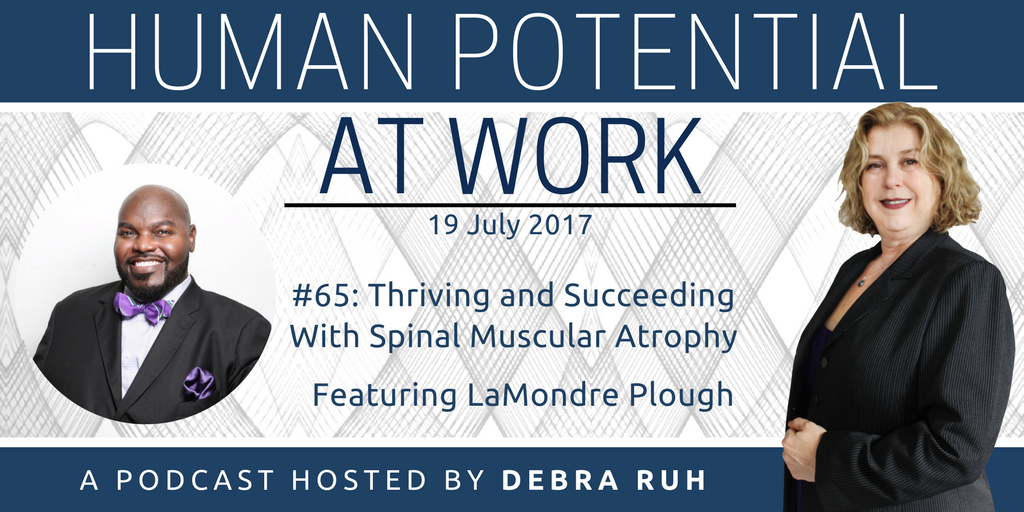
Episode Flyer for #65: Thriving and Succeeding With Spinal Muscular Atrophy
Guest: LaMondré Pough Guest Title: CEO and Founder
Date: July 19, 2017 Guest Company: LaMondré Pough Unlimited
[Intro Music]
Debra Ruh: Hello everyone, this is Debra Ruh and you’re listening to Human Potential at Work or watching us ’cause we are live on FaceBook. I’m really excited, I’m always excited about our shows, but I think it’s such a blessing to get to talk about these topics.
Today I have a very old amazing good friend, LaMondre Pough. LaMondre and I actually worked together at my old company Tech Access and LaMondre and I we worked together for many years. Before LaMondre had joined Tech Access he was doing a radio program and wait til you hear his voice you’re going to get so, you’re going to be spellbound by this man. He’s amazing. He has continued to do the work that he feels very led to do and what we’re going to talk about today, is we’re going to talk about finding your purpose and we’re going to talk about being grateful.
So LaMondre, welcome to the program my friend.
LaMondre Pough: Well thank you so much Debra, I’m so excited to be here.
Debra Ruh: Well you’re such an amazing man and I want to gush but …
LaMondre Pough: Thank you.
Debra Ruh: I want to gush when I talk to you. LaMondre, you identify as a man with a disability and I was wondering if you could just take a little time to tell our audience about your walk with disabilities.
LaMondre Pough: Absolutely. I have spinal muscular atrophy which is a form of muscular dystrophy. When I was born my mother noticed that when I was walking, and I was probably about, I started walking at nine months old. She noticed that when I would walk that whenever I would fall down I wouldn’t get back up and I never ran. She thought this was peculiar so she took me to the doctor and the first thing they said was, “Oh he’s just being lazy.” I don’t know what a nine month old knows about being lazy, but this is what they said. Of course this was not an acceptable answer so after months and months and months of dealing with this and noticing that didn’t get any better, I finally got an appointment with the Medical University in Charleston and that’s when they did the muscle biopsy. I was about 18 months old by this time and they discovered that I had spinal muscular atrophy.
At the time of the diagnosis they said that I would not live to be five years old and that if I did live beyond that point, and these are their words, that I would be a complete vegetable. Their words again, their words again. And so the prognosis was that I would not be able to do things in life. I would not be able to talk, I would not be able to get married, I wouldn’t be able to go to school, I wouldn’t have any of those things that we all want in life. The advice given to my then teenage mom, was to put me in a home, go on with her life and just allow me to die.
Debra Ruh: That’s what us mothers want to hear.
LaMondre Pough: Absolutely.
Debra Ruh: That our babies are so broken, well lazy first.
LaMondre Pough: Exactly. I was a lazy broken baby. That’s wonderful.
Debra Ruh: Throw him away and then try again as they say.
LaMondre Pough: And the thing about that was my mom, I have an older sister and my sister had some health challenges, nothing like spinal muscular atrophy, but she had some health challenges as well. So for the experts to say that to her, it seemed on the surface to them like a good thing. But I tell you, there is a time when you should not listen to the experts.
Debra Ruh: I so agree with that.
LaMondre Pough: I’m so thankful that my mom did not do that. Her attitude was, I don’t care how much time I have. I don’t care what the prognosis is, I’m going to take him home, I’m going to love him and I’m going to instill the things that any parent would instill in their children and however much time I have that’s the time that I’ll be grateful for. She took me home and she loved me and she loved me to a point, where at five I felt unstoppable, absolutely unstoppable.
Debra Ruh: You know it’s interesting, they said you’re only going to live to five. But you sort of look older than five to me.
LaMondre Pough: I’m a big four year old. I am a huge four year old.
Debra Ruh: Making fun of the experts. Is your mom still alive?
LaMondre Pough: She is, she is. She is as spunky and as spry as ever. I often say that my mom was, your parents are always your first support mechanism and she was incredible. She was a single parent so everything revolved around my mom, my sister and me and it was the three of us.
Debra Ruh: Three musketeers.
LaMondre Pough: Exactly. And my mom she never looked at my disability as a problem. She looked at my disability as this is just who we are. This is just, this is a part of LaMondre and that’s all it is. With that perspective she never treated me as if I were special. In fact she was the one who told me when I was nine years old, she told me, “No one cares about you or this disability,” she said, “they will pat you on top of your head, they’ll tell you how cute you are but in the end they won’t respect you as a man if you lead with the disability. So there’s something that you want in life you better go after it and you better allow your genius to be seen because that’s the only way that you’re really going to impact the world.”
Honestly hearing that from my mom and not only hearing her words but seeing how she actually implemented those things in my life, that informed my perspective of the world and that changed everything for me.
Debra Ruh: So LaMondre, when for the viewers that can see you, in just looking at you, you don’t look like you have a disability whatever that means. Tell us more about this disability, I know it doesn’t define you.
LaMondre Pough: Right.
Debra Ruh: Your spirit defines you.
LaMondre Pough: Absolutely.
Debra Ruh: You had a real champion in your mother. But tell us more about a typical day in the life of LaMondre.
LaMondre Pough: Well I’m a full time wheelchair user. The limitations that I have as far as physically are concerned, I can’t use my hands. I have very little movement in my hands. I can’t walk, I can’t bathe myself, I can’t feed myself. I use a computer for the most part as far as interacting with the world because I have very little movement in my right hand. But the beautiful part about that is that I do everything that I want to do. I’m not interested in mountain climbing but I’m certainly interested in moving mountains and that’s what we do. That is the thing that we do. That’s what it is. The limitations that I have physically are very similar to a quadriplegic. While I don’t have any paralysis, I have full feeling but I just don’t have the movement that’s there. But I have a beautiful wife who makes those movements happen for me.
Debra Ruh: How many years?
LaMondre Pough: This year will be 15 years. August the 3rd, 15 years.
Debra Ruh: And I have met her and she’s a beautiful soul. Beautiful inside and out. She’s an amazing woman.
LaMondre Pough: Absolutely. Those are the physical limitations that I have and it’s so interesting because as I told you when I was first born they said I wouldn’t live to be five. Well I’m 44 now. But what’s interesting is that every time I pass a milestone they’ve set a new milestone. Oh by the time you’re 20, it’s over, it’s done. Oh 30’s it’s a done deal. Well I’m getting to the point where if I were, if something were to happen and I were to leave this earth, I am too old to die young now.
Debra Ruh: Good one.
LaMondre Pough: So here we are.
Debra Ruh: That’s a tweetable moment right there. LaMondre I know that I first saw you on stage and when I saw you on stage when I was, had my company Tech Access I was so blown away by your spirit, your enthusiasm, your voice, your everything about you. And I know that we then started working together and then you wanted to really focus more on your ministry and your work and so you went off and you did that. The other day I was thinking about, I’m really excited because we’re creating a new network at Ruh Global where we’re going to have, besides my shows, Human Potential at Work, we’re going to invite other people to also have their shows.
Of course I know and remember you and everything, I had had a really busy day and I thought, I just gotta go on FaceBook just once Debra and so I went out there and who was out there? You were out there doing a FaceBook live and I sat and listened to it and I thought, “Oh, well duh. LaMondre needs to come on and do a show because you have a very powerful voice and it’s a voice that talks about that, is life perfect, there’s going to be some stuff that comes at us, are we going to be challenged? Is life going to really get difficult sometimes? Absolutely.” I know that you lost two good friends this year. Two mentors.
LaMondre Pough: Absolutely.
Debra Ruh: And it hurts. It hurt and I know you’re still walking the path of grief.
LaMondre Pough: Yeah.
Debra Ruh: But I have a feeling that those two gentlemen were tapping on shoulder saying, “Debra, you need to look at LaMondre, talk about this experience.” Do you mind just talking a little bit about that walk?
LaMondre Pough: Absolutely. I sure will. The mentors that I lost this year, one was my great uncle and the other was his son my cousin. To give you some perspective on what these men meant to me, my great uncle he was a bishop in a church. He started a church and he was a bishop. When I was about 14 years old, just like all teenagers do, I was dealing with identity. I was dealing with who am I and how do I fit into this world? And especially how do I fit into this world with a disability? Now understand, my mom always gave me the feeling that I could anything that I wanted to do and she always gave me this incredible sense of confidence but let’s face it, that’s my mom. That’s what your mothers do. It doesn’t matter, you could be the goofiest, ugliest kid in the block and your mother’s going to say, “You’re the coolest most beautiful thing in the world.”
At 14 I was dealing with this identity issue and I was speaking to my uncle. This was before we were having bible study one day and it was just he and I in the sanctuary and I was talking to him and he stopped me. He said, “Son let me tell you something. Your disability is not your problem. If it’s anybody’s problem, it’s God’s problem. So you let Him handle it. What you are to do is to go into this world and be what you were created to be. Anything other than that let somebody else handle it.” That was the first time someone outside of my immediate family gave me that kind of message. I want you to understand something. My uncle to me was the person that I looked up to more than anyone else. He was the only person I ever said that I wanted to be just like when I grew up. For him to say that to me, was incredible. When he passed away, earlier this year, that shook me because he was the main father figure that I had.
His son was also a very important mentor to me as well. He like his father was a bishop in the church but he was also an advocate. He was an advocate for children, he was an advocate for vulnerable adults. In fact he started a program here in South Carolina through the state attorney general’s office that really worked with at risk youth. At any rate, he poured in so much. He was the one who got me into radio. He was the one who taught me how to do an interview. He was the one who let me know that my voice could be heard and reach thousands. Two weeks after my uncle passed away, he passed away.
Debra Ruh: I feel so bad for the family.
LaMondre Pough: It was hard. It was really, really hard. But the things that those men imparted. The things that those men instilled. Not only in me but in so many other people. Their legacy will live on far beyond my existence, far beyond anything that’s physically established because their impact changed people’s lives. That’s one of the reasons that I am so pressed to get this message out because I believe that they deposited those things in me so that we can share them with others to say we can do better, we can have better, we can be better and we are enough.
Debra Ruh: Yes. And you know LaMondre, there’s so many directions that I can go with this interview and I’m just really excited about you joining our network and having your own program because you have a very powerful voice that needs to be heard.
LaMondre Pough: Thank you.
Debra Ruh: I agree, we are enough, we are really are enough. We often don’t think that. I do, I know you and I were talking about Tommy Hilfiger and what that brand is doing to really make sure that we all are included and they have a really amazing adaptive clothing line that they’ve done for children and now they’re expanding it to adults. I was telling you that and you immediately started telling me about all the clothes that you owned from Tommy Hilfiger and I think you’re wearing one of their ties today. Why is important to, why is image and things like that important to all of us but certainly to people with disabilities and certainly people with severe disabilities that can be seen?
LaMondre Pough: Absolutely. Let’s face it, your appearance is the first representation to the world that people have of you. It is the calling card without you saying anything. The way that you present yourself, which is a choice, the way that you present yourself is something that’s very unique, it’s something that’s very personal. I am a tie buff. I love ties. I have hundreds of ties, a lot of them are Tommy Hilfiger. The reason that I like Tommy Hilfiger clothing is because they are stylish. It’s because they look good, they pop. My thing is, I want to make disability sexy. I want that to be a part of when you see, yeah, you see the chair and you see that but the thing you think is, “Wow, that looks good.”
Debra Ruh: He looks fine. I’ve always been very impressed with the way that you dress.
LaMondre Pough: Thank you.
Debra Ruh: You light up the room. It’s important though.
LaMondre Pough: It is, it’s very important. And here’s the thing. It doesn’t necessarily matter what other people think about the way you look. It’s about how you feel about the way that you look. Because this is the representation that I’m giving to the world of who I am, of what I am, my energy level, whatever it is, this is what I want to put out there. And what happens is because many people with disabilities, we don’t have very many options as far as stylish accessible clothing. So you end up with just some basic khakis or some nondescript kinds of things. But when you have a company like Tommy Hilfiger that’s saying, “Hey we want to make our clothes accessible because we want people to have the same access that everyone else does.”
Debra Ruh: Right.
LaMondre Pough: That’s amazing.
Debra Ruh: I agree. When I was talking to the CEO, Gary Sheinbaum, who is an amazing, amazing man, he was saying, “Yeah well this is an opportunity to really change the fashion industry.”
LaMondre Pough: Absolutely.
Debra Ruh: The last time they changed, really the fashion industry was whenever they started including full figure women. The plus sized models and that’s been years back. When we were talking about it, the adaptive clothing line which has been created by Mindy who is the CEO of Runway of Dreams for the Tommy line, they were saying, adaptive clothing is so important and for people with severe disabilities which I agree, but the reality is, brands like Tommy are accessible for all of us like you said.
LaMondre Pough: Absolutely.
Debra Ruh: Disabilities goes through all economic lines, it’s a global. It’s interesting and I remember when Tommy’s line first came out, some people said it’s expensive. Well don’t miss the points is, here is a really important global brand that wants to make sure that finally the disability community is really truly included and empowered.
LaMondre Pough: The thing to think about is it expands their customer base.
Debra Ruh: Right.
LaMondre Pough: It makes sense for business. They sell clothes. They want to put clothing on your back. They want to put ties around my neck so why not do this, it expands the customer base. And what it does, it further binds that customer to that brand because I know that I can get something that will look good on me, that will fit well on me, that I’m not ashamed to put on.
Debra Ruh: Right. And also what was interesting, and of course, we knew this, but how wonderful to have such a powerful case story. Whenever they put this brand out, not only did this line sell out faster than any other online brand but guess what? When people were online buying clothing for their children, the adaptive clothing, they were also, “Oh that’s a cute Tommy dress,” I just bought a really cute Tommy dress. They were buying clothing for other members of their family including themselves. Not only did they have a spike with that, they had a spike across the brand.
We talk often in the community when we talk about community of people with disabilities, don’t leave the money on the table, we’re a billion people plus and all the dynamics, all of the statistics but many corporate brands don’t really know how to include us in an empowering way. I’m so excited about Tommy Hilfiger and what they’re doing because they actually said, “We agree, we buy it, we want to do this, we see the market, we see you, we see you.” Whether once again, people are blind, I’m telling you, I’m telling you to tell us about your walk. Well you’re in a wheelchair so what? Still the point is, you’re a human being that has this great human potential. What do you say to a mother that’s in a village in India who’s son gets the diagnosis that you’ve got or your mother was told? He’s not even worth it.
LaMondre Pough: I think the first thing that I say is, “Congratulations you have a beautiful child.” That’s first thing that I would say. That he’s not broken, that he does not need to be fixed. Now that does not mean that life won’t bring challenges but what it does mean is that he can overcome them. Here’s what’s interesting, this I why I focus so much on gratitude. I think about the things that I’ve experienced in my life and I think about the challenges that I’ve had, I think about the things that I’ve had to overcome. And every time I look back on that, either positive or negative, I understand that there’s a lesson that I learned from that and I’m thankful for that lesson. I’m thankful for that experience. Now with looking back and being thankful for those things, that informs my future, what do I mean by that?
That means that if I learn from those experiences, if I grew stronger because of those things that my future has a hope. I often say that gratitude is the narrative of hope.
Debra Ruh: Oh good one.
LaMondre Pough: What I mean by that is simply that, my gratitude, the things that I’m thankful for today informs the fact that I can be faithful and have hope for tomorrow. That my tomorrow will be better. So my story of gratitude is the reason that I have the hope and that’s what I would tell that mother. Whatever you’re going to face, whatever is going to come the road, learn from those challenges. Figure out a way for him to realize that his life is valuable. That he has a life that the world needs, if not he would not have been born into it.
I don’t believe that things happen by happenstance. I believe that things are purpose. I’m not talking about, regardless if you believe in a divine creator or not or if you just believe that the universe orchestrates things whatever it is, there are certain things that you are uniquely suited for. There’s certain gifts, there’s certain talents, there’s certain expertise that you bring to the table that other people simply can’t bring it the way that you do. Your job is to present that to the world. That child has a job to present whatever his gifting is whatever life he has to the world.
The tragedy is when we pity that away. The tragedy is when we hide that under the bushel of shame or embarrassment. Or simply thinking, “They can’t do that.”
Debra Ruh: Right.
LaMondre Pough: That’s the tragedy. That’s true death.
Debra Ruh: I agree. I have once again, I have a billion questions for you but I’ll try not to do that. I have been in social situations with you where people are meeting you for the first time. You’re very vivacious and you’re alive and you’ve got this great energy and personality and people walk over to you and they go to stick out their hand and they realize that, “Well wait a minute, can he shake my hand?” I don’t know if you still do it ’cause I haven’t been with you in a couple of years but you used to do something with the fist bump that just impressed me so much.
LaMondre Pough: Still do.
Debra Ruh: But why do you do that? Because here I am trying to figure out how to introduce myself to you when the traditional way doesn’t appear to be there. Tell me more about that. I know the reason.
LaMondre Pough: The reason that I do that is just that. To make people feel comfortable to realize that I am touchable. That no I can’t extend my hand but if you come down here and bump my fist, we gotcha, we’re still connecting. Because let’s face it, that’s what a handshake is, it’s a way of connecting. It’s a way of saying, “Hey, I’m here with you, you’re here with me and it’s really a way of saying we’re equal.
That’s what that is and sometimes I remember when I worked at one of the big box stores and there was a manager from one of the other stores who didn’t know me, he came over and he reached out to shake my hand and I couldn’t shake his hand and I asked him to give me the fist bump. But I don’t think he heard me because he kind of went away. And later on he came back, he said, “That guy’s really not friendly, he didn’t shake my hand.” One of the managers that worked with me, he was like, no he couldn’t shake your hand but he offered you the fist bump and it amazed me, that this guy, even though we’ve had conversations before, so he knows that I’m not an unfriendly guy, that this guy felt like I was being mean to him.
But that’s how we are. So something as simple as a fist bump, I make it a point now to make certain that if someone extends a hand, I say, “Gotta bump the fist, come on, bump the fist.” And I make them understand that I go that extra mile because I want to them to see I’m absolutely approachable and I will extend that to help them understand how to connect and communicate.
Debra Ruh: Right. What about, I have seen, it chills me but I’ve actually seen people walk up and pet somebody on the head that’s in a wheelchair. And I’m thinking wow. How do you use it as an opportunity, a teachable moment as opposed to yeah.
LaMondre Pough: I have somewhat of a sarcastic sense of humor. That has happened to me as an adult, someone has come and pat me on the top of my head. So I stuck out my tongue and started panting like a dog. I did. What it did, they caught it, they caught it right then. As soon as they did that. Because think about it, you wouldn’t walk up to anyone else and pat them on the top of their head. Unless they’re a dog. Unless they’re scruffy. I was thinking, “Okay, I must be scruffy today.” When I did that they apologized. They apologized immediately. Of course we had to have the conversation about, you wouldn’t do that to anybody else so don’t do that to me because first of all, it’s patronizing, it’s demeaning, it’s belittling. That’s how I do it.
Just another example of a social situation that was kind of awkward. I remember being in a restaurant, it was me and my wife and the waiter, the server came over to the table and they asked my wife what would she have and she told them. And then they looked at me and they looked at her and said, “And what will he be having?” I looked at my wife and I said, “You tell him that I will be having …” of course again, the whole thing went, “Oh I’m sorry, I didn’t know, I didn’t know.”
My thinking is, I often say I’m going to write a book. This book is going to be titled, How do You Treat a Person with a Disability? And when you open the book it’s going to have my acknowledgements, I’m going acknowledge my mom, I’m going to acknowledge my wife, I’m going to thank everyone who’s meant anything to me. And then you turn the page and it’s going to say, “How do you treat a person with a disability?” And you turn the next page it’s going to say, “Like a person.” Be in $15 Barnes and Noble.
Debra Ruh: Amazon here we go.
LaMondre Pough: Exactly that’s where we’re at.
Debra Ruh: Like a person.
LaMondre Pough: And that’s it. It’s just that simple. Again, a part of my purpose, a part of my quest is to simply demonstrate that we’re all in this thing together that disability is simply a point of diversity. It is not the defining point but there certainly is a defining point of who I am but understand that the only thing that is really does is that it informs my perspective of the world. That’s all it does. It’s no different, it is no different than you having a different perspective because you were born a female. It is no different than you having a different perspective because you wear glasses. There is no difference in that. So whatever experiences that gives you, you bring that to the table. You bring those experiences, you bring that expertise to the table. As a person. Because that’s the bottom line.
Debra Ruh: LaMondre I have another hard question for you. You have a great, great personality. Very, very positive attitude. I would think some of our viewers are like, well of course he’s successful because he’s so bubbly and amazing but what happens if people don’t have a good attitude or they’re depressed? Talk a little bit about that.
LaMondre Pough: Because I’m smiling right now and because I’m bubbly, this is my general disposition by the way. But the reality is we all face struggles, we all have hardships and we all deal with them differently. And the tragedy is to put a measuring stick against someone else’s life and compare your situation to theirs. There are times when I deal with depression. There are times when I deal with the concept of am I good enough or I don’t want them to see my insecurities. But the reality is we all have that and we realize that we all have that, it makes things a lot easier to deal with.
I will say, if you’re listening to this and you are dealing with depression and you’re dealing with feelings of unworthiness, the thing that you have to do is you have to reach out to somebody because somebody cares. Somebody’s there for you. You have to talk, you have to get it out and realize we all deal with our struggles. We all have our own personal hells that we deal with. The biggest things is just remembering even though you go through the fire you’re going through the fire, in other words, there’s another side of that. Just reach out so you don’t feel isolated and alone. But we all deal with that.
Debra Ruh: I agree. I apologize for being texting. I’m in an office and somebody’s outside and I’m trying to get somebody to come and answer the door.
LaMondre Pough: That’s okay.
Debra Ruh: So sorry about that. I agree. I think that we all are here to make a difference and to decide that somebody is broken for whatever reason, because they have a disability, because they believe in a different god or they don’t believe in God at all or they come from a different country. I think, I heard somebody say the other day, “It’s not about nationality, it’s about humanity.” And I agree.
LaMondre Pough: Exactly.
Debra Ruh: It is about humanity. LaMondre I look forward to talking to you more and really, really making sure that your voice is heard by the world because I think you’re an amazing guy and I think you have a lot to teach the world and I’m really looking forward to continuing this conversation. Have you thought about what the name of your program is going to be?
LaMondre Pough: Actually there are a number of things crossed, running through my mind. Of course, Walking in Purpose is one of them. Waterwalkers is another one. It’s wide open right now. I’m so looking forward to this journey.
Debra Ruh: Well and it would be really interesting if you would go out on Human Potential at Work our FaceBook group and maybe give the audience a few suggestions of the title of the program and let the global audience choose. We are being listened to in 64 countries. Doug Foresta who is often on the program, and he’s our producer, gave me the statistics the other day that we’re being listened to in 64 countries. And all I could think was I feel so grateful. And I’ll also say this, when I was in a meeting the other day with the CEO of Tommy Hilfiger and I listened to the excitement that this team has about true inclusion I just felt so grateful. I just felt so grateful to be able to be a small part of making sure that we value the humanity that each of us brings to the table.
Giving your, making sure, I don’t have to give you a voice LaMondre, you have a beautiful voice and your voice needs to be heard and your walk is very different from the walk I’ve had, so I think it’s very important that I don’t speak for you and we’ve had Rosemary Musachio which we’ve both worked with in the past. Rosemary has an important voice. Now Rosemary doesn’t speak in the traditional way, she uses a communications tool so that her voice can be heard. But her voice is very powerful as well. Really creating brand ambassadors for the world. Once again to focus on humanity and what we each bring to the table I think is very powerful. I look forward to helping the world hear your voice LaMondre and I love how positive you are. That even in an awkward situation where the waiter assumes that you cannot hear him or speak, that you do it in a way that is funny and amusing and seeks to help the other person understand your humanity. So thank you LaMondre.
LaMondre Pough: Absolutely let me tell you, life is too short to run around angry. Pissed off at the world. You can’t do that. My thing is, don’t take yourself too seriously but always walk in humanity and let your light shine. That’s it, just shine.
Debra Ruh: Let your light shine. Before we end, I know that you are going to be joining Ruh Global as one of our show hosts. Tell the audience how they can learn more. Maybe they want a great speaker, which I highly recommend, I know you travel with your lovely wife all over the world. Tell the audience how to find out more about LaMondre.
LaMondre Pough: Absolutely. If you want to find out more about LaMondre, myself, you can connect with me on FaceBook at LaMondre, you spell that L A M O N D R E P O U G H is my last name. Or you can connect with me at Teamwaterwalkers on FaceBook. Teamwaterwalkers. You can also connect with me on Instagram that way as well. Or you can email me, lamondre@lamondre.com L A M O N D R E at L A M O N D R E. I would love to hear from you. Reach out.
Debra Ruh: And LaMondre I keep saying it’s the last thing but I’d love to have your mother on the program and I hope you also are going to have your mother on a program. As a mother with an adult child with disabilities, I love to have conversations with parents that were told like I was told, that my daughter was a tragedy and our life was over and if I didn’t put her in an institution I and my family were burdens to society. I didn’t agree with those experts.
What’s your mother’s name?
LaMondre Pough: Betty.
Debra Ruh: Betty.
LaMondre Pough: Betty Pough.
Debra Ruh: Hello to Betty, we love you Betty and we’re going to have you on the program. So LaMondre thank you. Thank you for you and everything you’re doing and I look forward to continuing the conversation.
LaMondre Pough: Debra thank you. Thank you for being a voice. Thank you for being a champion. Thank you for being an advocate. Thank you for helping businesses to realize that it’s not just a good thing to do but it also empowers their bottom line. Let’s do this thing. I am so excited, let’s go.
Debra Ruh: Let’s go. Bye everybody.
[Outro Music]
You’ve been listening to Human Potential at Work with Debra Ruh. To learn more about Debra and how she can help your organization, visit ruhglobal.com. If you’ve enjoyed today’s episode and you want to make sure that you don’t miss any future episodes, go to iTunes and subscribe to the podcast, Human Potential at Work. Thanks so much for listening and we’ll be back next week with a new episode.
David Banes, founder of David Banes Access and Inclusion, discusses how technology is impacting persons with disabilities and some of the opportunities and challenges that remain when it comes to creating assistive technologies. Discover a big shift that is occurring with- mainstream technologies and the implications for the disability community.
In 1987 while working as a systems administrator and executive in the banking industry, Debra Ruh gave birth to a beautiful girl, Sara, who was perfect and happened to have Down syndrome. Ruh found the world had very low expectations for Sara. Later, Ruh was drawn to Virginia for both work and better educational opportunities for Sara, but found the expectations for her daughter, now a teenager, were still low. This proved to be a pivotal time for her life path.
As a technologist and businesswoman, Debra Ruh went on to create an award-winning technology company that employed talented persons with disabilities and provided tangible value for companies and their workforce.
Marge Plasmier, from abilityJOBS and ABILITY Magazine, sat down with Ruh, who is currently CEO of Ruh Global Communications, to talk about her new book, Tapping Into Hidden Human Capital and how companies who are not employing persons with disabilities are truly missing out and not meeting their full potential both in the workforce and in the marketplace.
Debra Ruh: So the experts started telling us how Sara wouldn’t really ever add any value to employment, maybe she could bring shopping carts in from a Target or a Wal-Mart. I sat there thinking, “My daughter’s 13 years old. She’s going to be in school until she’s 22. And that is the biggest-reach goal you have for this young lady, that she could bring shopping carts in from the mall? That’s it?” It just woke me up to the employment issues involving people with disabilities.
I decided that I was going to make a difference. I quit my job in the banking industry and created a company called TecAccess. It was a technology firm focused at the time on building websites, but it was going to employ people with disabilities. I did it as a for-profit company because I wanted to prove a for-profit company could employ people with disabilities, especially severe disabilities, and thrive.
I realized pretty quickly that there were so many people doing web design, and it was hard to differentiate yourself. But around that time, there was a law that was being refreshed, Section 508 of the Rehabilitation Act of 1973. So I thought, “You know what would be really cool is if we could teach people to make the websites accessible to all of us.”
Marge Plasmier: At what year was that?
Ruh: In 2001. I didn’t know you had to code a certain way so that people with disabilities could have access to the information. So that’s when I thought, “Wow! What a great idea!” And it just unfolded. I built the company to a multimillion-dollar business. Eighty percent of my team were technologists with disabilities.
It was all focused on mainly helping corporations, but we also had government and university clients, making sure their websites were accessible to people with disabilities. And who better to do it than the people who have those types of disabilities and who would know whether it’s successful? At the time, very few of my competitors employed people with disabilities. I just kicked their butts. I did so well.
Plasmier: So in the early 2000s you already had a game plan. What value did people with disabilities bring to your company?
Ruh: They were such amazing employees. It was interesting because I also employed people, a smaller segment, who didn’t have disabilities. But I found that the technologists with disabilities were more productive. They showed up more often than the people without disabilities, they whined less, they were very creative and innovative, and they were really my top performers.
And then I found that the more I involved them with my clients, the clients loved it. And so it became a huge differentiator for us. Our competition—we were just beating them terribly.
Plasmier: You talk about that a lot in your book. That was the big differentiator for your business?
Ruh: Yeah, it was a huge differentiator. And I won so many awards. And I thought, “That is great for my ego, and my mom’s proud of me for winning all these awards, but the only thing I’m doing differently is employing qualified technologists with disabilities.” I hoped for a world some day that wouldn’t think it was so unusual to employ talented people with disabilities who were qualified to do the jobs.
Plasmier: For the people who were working for your company who had disabilities, what did they bring to the table?
Ruh: What they brought to the table was a real understanding of accessibility. Because, at the time we were trying to figure out exactly what it meant to code a website, a mobile app or anything so that it’s accessible to all of us. How can you do it in a way that works for people who are blind, deaf, aging, losing their mobility, etc.?
They brought creativity. “How do you make a website accessible to screen readers in a way that doesn’t change the product?” That’s what everybody was really concerned about at the time… creating something just in text. It was going to be boring, and the rest of the customers aren’t going to like it. So we were able to show that’s not true, and we were able to build real awareness about the value people with disabilities brought not only to my workforce but also to other people’s workforce.
I remember saying, “I know that I’m going to be successful when my clients or others start stealing my employees from me.” When it started happening, I wasn’t happy. I was happy, but I wasn’t happy because I was losing these really talented individuals.
Ruh: Yeah, you probably did. They’re top of the field. They’re the best. And that is what should be happening. We should be creating really amazing jobs for these individuals who are so talented.
Plasmier: Your book, Tapping Into Hidden Human Capital, was a very concise road map for companies. When I finished reading it, my initial thought was, “Why wouldn’t people hire, incorporate or identify more people with disabilities in the workforce?”
Ruh: And I love that comment, because that’s what I tried to do. I wrote it for employers to demystify this issue and take away some of the misinformation.
Plasmier: Why don’t employers hire people with disabilities?
Ruh: Companies are afraid that if their facilities aren’t accessible, even after 26 years of the Americans with Disabilities Act (ADA), they’re going to get sued. They’re afraid that their websites and their intranet, internet and software systems are not accessible to assistive technology that a person might use. They’re afraid the assistive technology might be really expensive. They’re afraid that people with disabilities are going to be out sick more or they’re going to say the wrong thing. Another thing employers are afraid of is that we’re expecting them to hire somebody who’s not qualified to do the job.
Plasmier: What do you say to a company that has these fears?
Ruh: First of all, I say, “I understand you have all these legitimate fears. Let me tell you why they’re not true.” Then I go point by point, and there’s so much great data out there proving it’s not true. And then where we are right now with employment, you do not have a choice if you’re in the U.S. You have to employ people with disabilities in your workforce. If you’re not, you’re probably breaking a law or multiple laws. It’s not, should you do it? You have to do it.
You probably already have people with disabilities working for you, by the way. It’s about retention, too. And people who work for you are acquiring disabilities because we are in these fragile bodies. I don’t mean that as a threat, but as we age and as we live our lives, quite a few of us acquire disabilities.
But any time you’re broaching something new that you don’t understand, instead of just jumping in, why don’t you put a plan together? Understand what you have to do. You can say, ‘Oh, yes, we’re hiring people with disabilities,’ but if your website is not accessible, if the career portion of your website is not accessible, if you don’t know how to accommodate an individual with a visible disability or invisible disability, there are a lot of ways to get in trouble right now in the US with this. ADA lawsuits are up 63 percent from this time a year ago.
Plasmier: Lawsuits are up 63 percent from last year? Why do you think that is?
Ruh: We can do a bunch of lawyer jokes here, but part of the role that lawyers play in US society is pounding out our laws. We’ve had the ADA law on the books for 26 years, and many, many, many businesses are not accessible physically or technologically. And employers are not employing people with disabilities. I’d like employers to do it because they get innovative, creative, talented employees and because we have studies, which I’ve mentioned in the book, that prove customers want companies to do hire people with disabilities, and employees become more productive. If it takes a lawyer suing a company to do it, they have to include us in the workforce no matter what. Period. End of story. I don’t want to hear your excuses any more. Sorry.
Plasmier: Get on your soapbox, by all means!
(laughter)
In comparison to the settlements these companies have to endure and legal fees, what is the cost of making a company accessible?
Ruh: It’s really not very expensive at all. You can even make your company fully accessible without paying one penny outside. There’s so much free information on the internet. WebAIM, for example, gives step-by-step instructions of everything a company needs to do, and there’s W3C. You can join things like AXSChat that we run every Tuesday. We talk about it. You do have to update your policies and processes.
I can’t talk about this topic of employment without talking about accessibility. If you have an individual who gets into a car accident or has a stroke, and they’ve been a great employee and have a lot of good intellectual data, you don’t want to just kick them to the curb. You want to work with people.
Plasmier: That’s the change of our humanity. We’re aging, time passes and we acquire a disability?
Ruh: Right. And a lot of us keep disabilities quiet because we don’t want somebody to look at us and judge us and decide we’re less. A man, who was at the very top of a very large government agency, said, “Well, I have multiple sclerosis, but I haven’t told anybody because if I tell them, they’ll start thinking that I can’t add any value. I think my peers will start thinking it’s time for me to retire. They’ll start pitying me.”
About a year ago, I was diagnosed with ADHD, which made a lot of sense to me. I’ve struggled my whole life with depression, sometimes really bad depression. I believe I’m a better communicator because of the ADHD. I believe that because of the depression I’m more empathetic to others. I think that all of us have abilities and disabilities, and some of us, maybe we have more obvious disabilities than others, but it doesn’t mean that we’re broken and we can’t add value.
I talk about Rosemary Musachio in my book, who’s one of my team members. Since the box isn’t made for her, she’s always outside the box. She’s always thinking so creatively and innovatively.
Plasmier: What about the value people with disabilities bring to that so-called bottom line? That’s a big thing. It’s a way to move the needle with these companies.
Ruh: And that’s the language they understand.
Plasmier: What’s the bottom line, the down-the-line benefit of having people with disabilities in your workforce?
Ruh: One of my favorite stories is about Canon. A few years ago Canon decided they wanted to be more environmentally friendly. So they hired a small team, about 20 people, with intellectual disabilities, outside Chicago in Naperville. They worked with a service provider to bring people in and taught them how to take broken cameras apart. They learned about all of the pieces, which piece was destroyed and needed to be sustainably thrown away, the right way, which pieces could be fixed, and which pieces were still good.
In that one location of about 7,000 employees, the overall productivity across the plant went up by 36 percent. The only thing that was different was the little group of individuals with disabilities who were working for Canon.
Plasmier: That was the only thing they changed?
Debra Ruh (L) and daughter, Sara (R) are all smiles while Debra signs her book for a fan — published by G3ict.
Ruh: It was the only thing. And they started interviewing their employees. And the employees said, “I’m very proud to work for Canon. I like going to lunch with Joe, who has Down syndrome, or Donna, who has autism. It makes me proud to work for Canon and to be so socially evolved.” When people are proud to work for a company, they’re more productive.
The employer of choice has become more important than ever. It’s become more important to be a socially responsible company. One way they can prove they’re socially responsible is by employing a diverse workforce that includes qualified people with disabilities and retaining people with disabilities
Plasmier: Not only is it social achievement, but what about the monetary benefit?
Ruh: When you make things accessible to individuals with disabilities, it becomes more usable for everybody, which improves the bottom line. Another bottom-line benefit: why would you build any technology that 20 percent of the population might not be able to use?
A good example is Comcast. They’ve made sure their machines—their DVRs and all of their equipment—are fully accessible to everybody. They have talking remotes, and the different machines will talk to you. The Comcast guy came and was explaining to my mom how to use it. My mom was getting really overwhelmed. He started talking to her about these talking features, where it would talk her through it. I got excited because I knew they had done that for their clients with disabilities, but it benefited older people as well. This man was so proud of this company. Employees need to feel proud about the companies they work for.
Plasmier: Kevin Bradley of the Boeing Company talked about how hiring people with disabilities is not only the right thing to do, it’s the smart thing to do.
Ruh: It is. Why would you ever want to leave people out? If you have two equally qualified people with equal degrees and the same amount of past history, but one is in a wheelchair, I would pick the person in a wheelchair over the other candidate because the person in the wheelchair has had to work harder to get there.
Plasmier: Now we’re talking about affirmative action.
Ruh: We are.
Plasmier: How is that happening? Is it happening?
Ruh: I see it, but I will tell you I’m not as much looking at it from that lens. There are a lot of people looking at it from that lens, such as our Department of Labor, our Equal Employment Opportunity Commission (EEOC), and vocational rehabilitation people. I’m always looking at it from the corporate lens.
Plasmier: Disability Rights activist Emily Ladau is one of your contributors.
Ruh: Oh, yes! She’s a rock star.
Plasmier: She has very strong feelings about herself as a person with a disability and her value.
Ruh: Yeah, she says, ‘Don’t hire me because I’m a person with a disability. Hire me because I’m a rock star, and you’ll be lucky to get me.’
Don’t you want that employee? You do want that employee. If you do not recognize the value of employing people with disabilities, your competitors do. And be prepared to start failing, because you’re going to fail. We’re evolving with or without you…
Continued in Print, PDF or Digital versions. Order Here. Receive a free Digital version ofABILITY Magazine, with full images, videos and text, by clicking“Like” on our Facebook page
Debra Ruh — Hire Talent, Now!
Articles in the Jon Cryer Issue; VOICEYE — It’s Free; Ashley Fiolek — On the Go!: Humor — Dying to Know: Geri Jewell — Sticky Situation: China — The Great Tangshan Earthquake: Part 1: Long Haul Paul — A LifeCycle: Ruderman — A Family with a Strong Foundation: Comcast — Live Olympic Games Audio Description: Hugh Herr — Bionic Innovation: Jon Cryer — Two and a Half Miles for Shane’s Inspiration: Debra Ruh — Hire Talent, Now!: Jennifer Sheehy — Deputy Assistant Secretary of Labor: ABILITY’s Crossword Puzzle; Events and Conferences… subscribe



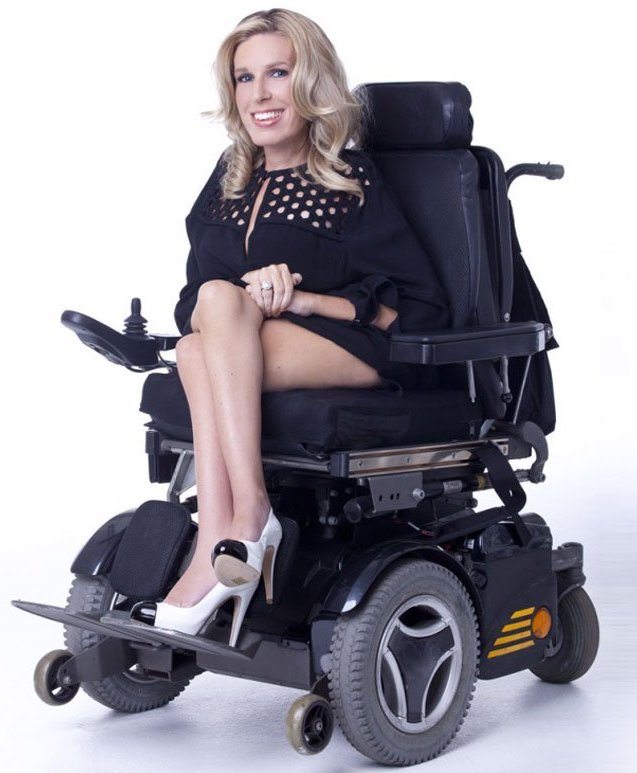
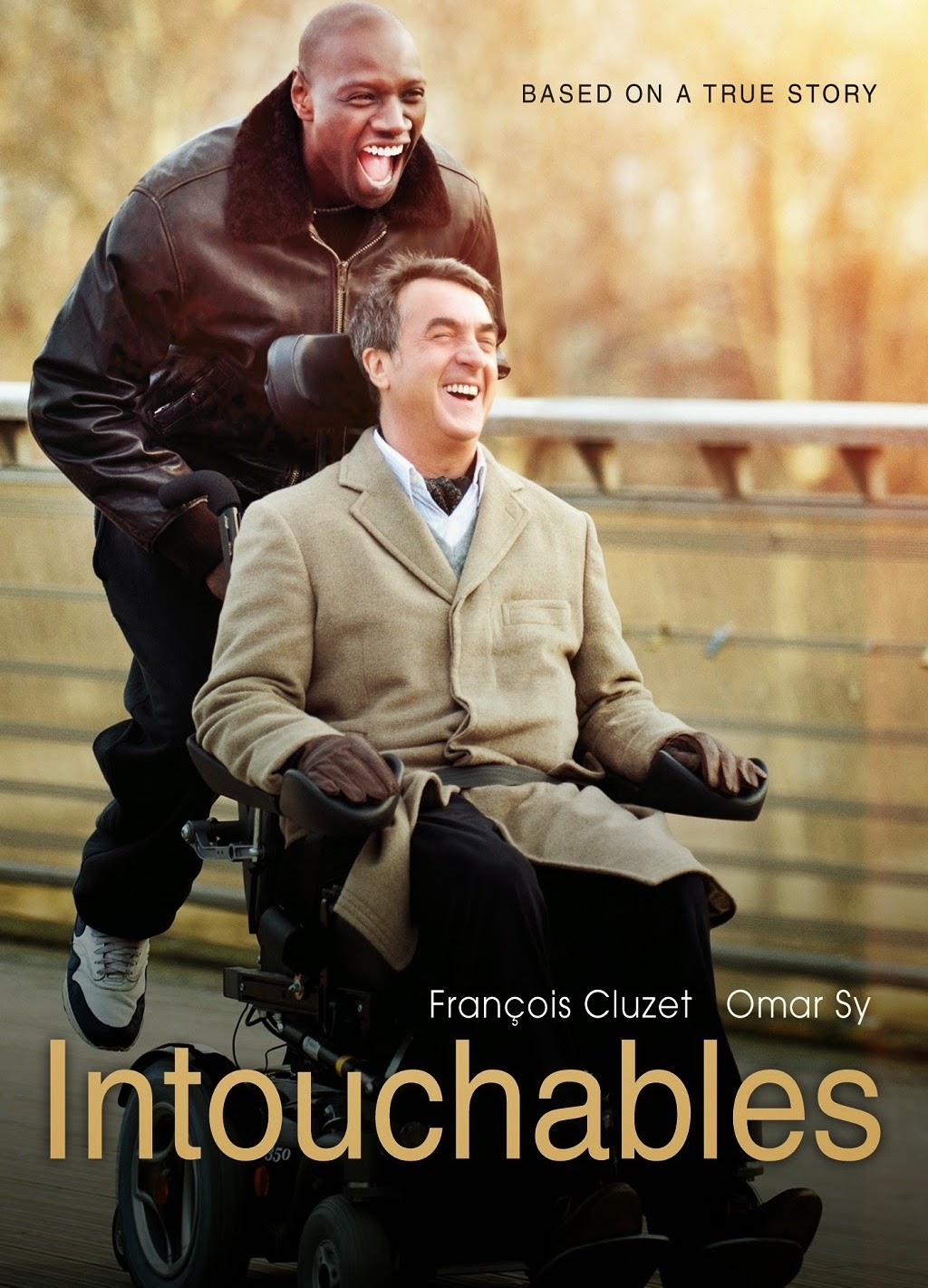
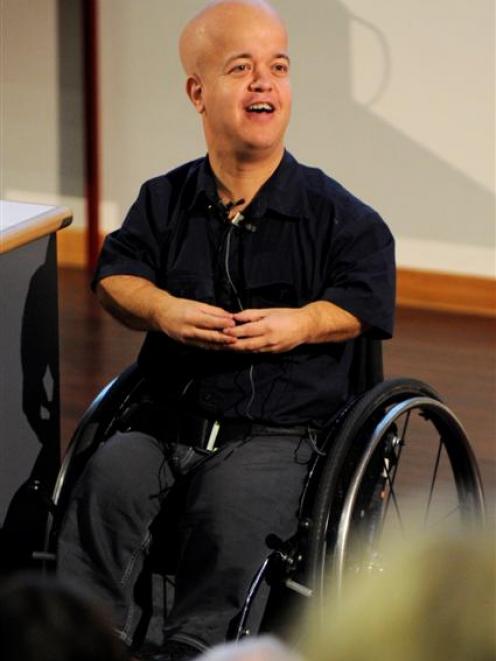
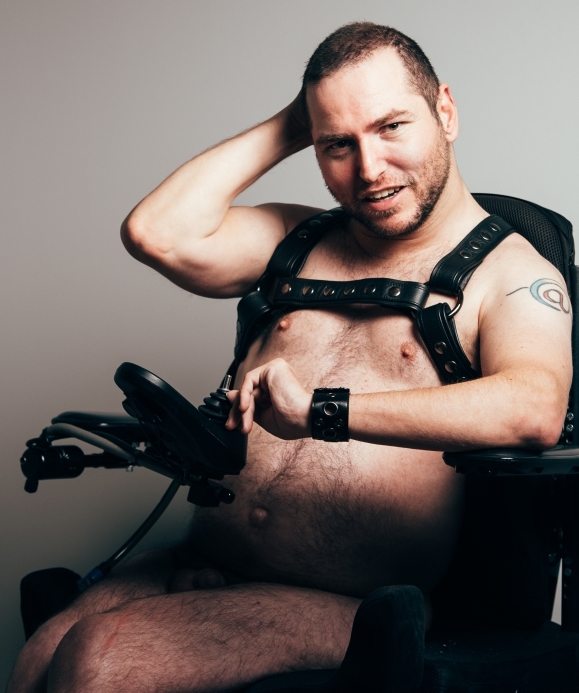

 The countries that were involved in the process saw their development indicators rise dramatically and understood the importance of the process. When the time came to finalize the Millenium Development Goals, they were more than ready to start setting a new pathway to build on the successes of the past 15 years and answer some of the unsolved issues.
 doubt, they set the table for meaningful change with the idea of ending poverty, protecting the planet, and ensuring prosperity for all as key elements.
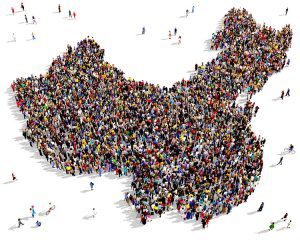



 The Sustainable Development Goals are seeking among other things to eliminate disparities and ensure equal access to all levels of education, to achieve productive and decent employment for persons with disabilities, promote social, economic and political inclusion; and access to secure and sustainable transportations for them. If we take into consideration the vast amount of influence that the efforts made in the 90s had over Latin America, these goals will help directly to bring real change for persons with disabilities in Latin America.