Episode Flyer for #88: B2B Disability Inclusion Efforts and Progress in Mexico
Claudia Guardiola from Movimiento Congruencia joins the program to discuss the initiatives that they are taking to help increase disability inclusion in Mexico, and to make sure that people with disabilities are included in the conversation. Discover how they are sharing best practices with other countries and which companies are leading the way when it comes to B2B disability inclusion in Mexico.
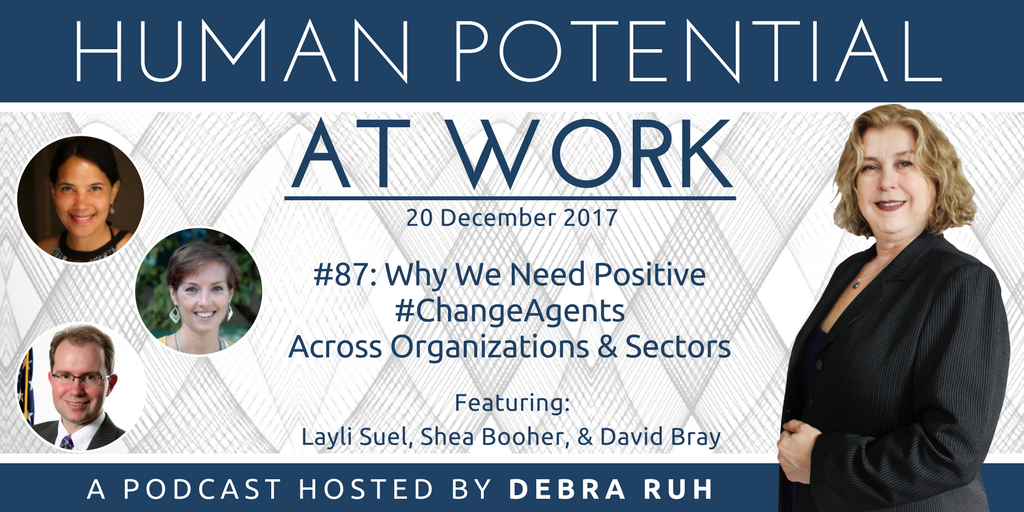
Episode Flyer for #87: Why We Need Positive #changeagents Across Organizations and Sectors
Teresa Shea Booher, David Bray and Layli Suel join the program to discuss why we need positive change agents across organizations and sectors. Discover why change that matters is done not by any one person, but by change agents who are willing to step out across sectors and to demonstrate a way to move forward and what you can do to help make a difference.
Written by Eng. Nabil Eid. Strategic Disability Inclusion ICT Accessibility consulting services & solutions Middle East and North Africa.
Today, 54 per cent of the world’s population lives in urban areas, a proportion that is expected to increase to 66 per cent by 2050. Projections show that urbanization combined with the overall growth of the world’s population could add another 2.5 billion people to urban populations by 2050, with close to 90 per cent of the increase concentrated in Asia and Africa, according to The World Urbanization Prospects and United Nations Department of Economic and Social Affairs report.
And according to the International Labour Office (ILO), it is smart to invest in improvement of accessibility in urban environments and services, if designed and built following accessibility or inclusive “Universal Design” principles from initial stages of planning and design, bear almost no or only 1 per cent additional cost. It is a great deal more expensive rebuilding, renovating or redesigning existing inaccessible infrastructure or facility to make them more accessible and inclusive. The cost of not incorporating accessibility/universal design can also be significant. Taking into account the loss of human capital and opportunity cost incurred due to inaccessibility, economies stand to lose a great deal more when significant groups, such as persons with disabilities are excluded from participation.
Importantly, the New Urban Agenda needs to ensure that future cities, towns and basic urban infrastructures and services are more environmentally accessible, user-friendly and inclusive of all people’s needs.
In recent years, designers and developers have been encouraged to think more about movement within the city. Accessible design, usable and inclusive design, and universal design are all approaches to design that can result in products that are easier for everyone to use, including people with disabilities and older age.
Such concepts apply across the entirety of built environment, including not only buildings, transport infrastructure, public space and parks, but also to key products, services and facilities that help improve the experience of movement and connectivity. Consequently, opening up the city to all by improving the experience of movement for all urban residents will involve a wide array of different types of designers, each of whom will benefit from collaborating across disciplines and working with experts in a range of technologies or on designs that extend beyond their traditional spheres of interest.
In this context, there is a need to view accessibility as an investment in a public good that contributes to effective, sustainable and equitable development for all and not merely an issue of cost or compliance. This will involve fundamental reconsiderations of policies that address the objective of equalization of opportunities for persons with disabilities, as a target group, and to focus on measures that contribute to accessibility to the general systems for all.
With the expansion of smart meters, like the Advanced Metering Infrastructure (AMI), using new Information and Communication Technologies (ICTs), such Internet of Things (IoT) applications, typical edge computing technologies (Including the mobile edge computing, loud computing), big data, and Artificial Intelligence (AI), drive unified coordination, cross-sector collaboration, and intelligent analysis for effective management of services in a smart city, each smart city will be equipped with various kinds of electronic devices. Therefore, equipment and technologies enable us to be smarter and make various aspects of smart cities more accessible and applicable. Open issues and future research directions are identified as well.
The key features of potential smart cities in 2020. Smart citizens, smart energy, smart buildings, smart mobility, smart technology, smart healthcare, smart infrastructure, smart governance and education and finally smart security are the aspects of smart cities.
There are six smart components (Smart connections, smart economy, smart people, smart government, smart environment, smart living) that support to build a smart city. No one component can stand on its own, but through concerted efforts and cooperation, success can be achieved and provide the strength necessary to embrace change successfully.
Inclusive Smart City
Smart City initiatives are getting more and more attention from the academies, industries and governments at a global scale. A wide range of sectors such as education, health, security, public safety, business, government administration, and civil society are taking advantage from the use of technology to reduce costs, bring agility to public services, achieve a more efficient management and obtain better quality of life. Yet, to be considered “smart”, a city must reinforce the participations of everyone recognizing the diversity of citizens, struggling against the segregation of minorities, and trying as much as it can to eliminate, not only physical but also digital, barriers. That is what we call Inclusive Smart City. “Will the real smart city please stand up?”
The Inclusive Smart City is a new citizen-centered approach that aims to extend the experience provided by Smart Cities solutions to all citizens, which means including persons with disabilities and aging population. When associated to Universal Design, Smart Cities can profoundly change the experience that PWDs have in the urban space, providing tools that guarantee independence and autonomy for people that constantly feel the city as chaotic and a source of plenty of difficult situations. Furthermore, if a Smart City Project is designed and implemented taking into account the needs of people with disabilities, it is most likely it will also meet the expectations of ordinary people.
Smart cities are inclusive and friendly
The smart city is becoming smarter than in the past as a result of the current expansion of digital technologies, with taking the heterogeneous environment into account, various terms, like characteristic of objects, participants, motivations and security policies.
Many of the challenges faced by the smart city concept is to ensure the engagement of all groups of citizens and to promote inclusivity. Smart city applications should be inclusive in terms of providing opportunities for all and ensuring that particular groups are neither left out of positive impacts nor disproportionately affected by any societal costs that may be imposed. For instance, the needs of vulnerable groups such as women, the elderly and persons with disabilities should be integrated into smart city strategies. The need to ensure inclusivity for such vulnerable groups is especially important because there is a significant possibility that they will lack the skills to use smart city applications or that their livelihoods may be the most affected by smart city applications. Promoting participatory governance in cities is a prerequisite for developing inclusive smart cities.
The key challenges under the Smart Cities initiative for disability sector can be highlighted as follows:
Lack of awareness regarding e-accessibility for persons with disabilities by the stakeholders.
Lack of data or guiding policies/principles on persons with disabilities.
Poor project execution leading to the failure to incorporate features for persons with disabilities.
Smart city proposals that lack accessibility features
No benchmarks for accessibility features like other services.
Smart cities to ensure inclusive development
Innovative technology applications can ensure that smart cities are inclusive and friendly, including towards the elderly (who often have limited mobility) and people with disabilities. Develop smart infrastructure and innovations can make life in a city easier and more enjoyable and city governments should therefore channel the efforts of local innovation systems to continuously formulating new smart city applications that ensure inclusive development.
Smart Cities can offer a better experience for PWDs to also gain a higher quality of life. The proposal is a two-fold approach:
Boosting well known assistive technology already installed in the city with IoT technology
Creating innovative interactive tools, such as wearable devices, which receive contextual information from the environment and, depending on the PWDs restrictions, can behave appropriately, using different interaction modalities.
The concept of a smart city is highly context specific. It is therefore important for national and city governments to work together with all relevant stakeholders to develop a common understanding of what a smart city entails in their specific national and local contexts.
Smart cities and infrastructure designs need to be people centered. They should respond to the needs and challenges of specific urban systems and recognize the potential of technology as an enabler and at the same time understand its limitations.
In designing smart cities and infrastructure, several key design principles need to be followed, namely inclusiveness, resilience, sustainability, interoperability, flexibility, risk mitigation and safety.
Governments have at their disposal a broad array of tools to develop smart cities, including inter alia output-based contracting, public–private partnerships, procurement policies, planning and development frameworks, social and entrepreneurial investment funds, research funds and the provision of support services. Such tools can enable Governments to actively shape markets and correct market failures related to smart infrastructure.
Smart infrastructure has the potential to promote inclusive development (including gender inclusiveness) in cities by helping to generate data on informal settlements and informal sectors and other marginalized groups in society (including women, the elderly and persons with disabilities). Such data can then be used to design infrastructure that specifically addresses the needs of such groups.
Indeed, some Smart City initiatives do not envisage PWD and their needs. There is still a lack of studies that carefully consider the impaired citizens in a Smart City Project. For this reason, the challenge of enabling cities with IoT components driven to accessibility can be seen as a great opportunity, since they can stimulate the advance of innovative research projects and market solutions.
The main feature of the Inclusive Smart City is the ability of identifying places and objects (or things) and making this information digitally available. Once this information is available, it can be sent to devices that receive the information and personalize this information according to the disability of the user.
Moving Forward: Accessible and inclusive approaches to Smart Cities
Internationally, there are initiatives being undertaken to develop guidelines such as the Global Initiative for Inclusive ICTs G3ict and World Enabled standards and tools for making Smart Cities inclusive for persons with disabilities. These tools should be adopted and implemented. G3ict and World Enabled believe that now is the time to design a more inclusive and accessible approach to Smart Cities.
Initiative, Smart Cities for All, is key to help all of us continue to work on accessibility.
In collaboration with G3ict and World Enabled, with support from Microsoft, launched “Smart Cities for All Toolkit” to define the state of accessible technology in cities worldwide with a focus on closing the digital divide for persons with disabilities and older persons.
The toolkit aims to empower city leaders with resources that will lead to communities that are more inclusive. Resources include guides for implementing ICT accessibility standards and procurement policies, ideas for how to make the case for a stronger commitment to digital inclusion and a framework for a database of accessibility solutions.
Finally: Inclusive smart cities an important opportunity to advance three particular aspects of a just and sustainable world. Smart cities making investments in new infrastructure should focus on models that create economic benefits for all including persons with disabilities and older persons, inclusive smart cities also can advance essential rights, including decent work opportunities, an adequate standard of living, and opportunities to participate in cultural life.
It’s easy to talk of inclusive growth which benefits all people, but putting it into practice is easier said than done. “No one will be left behind”.
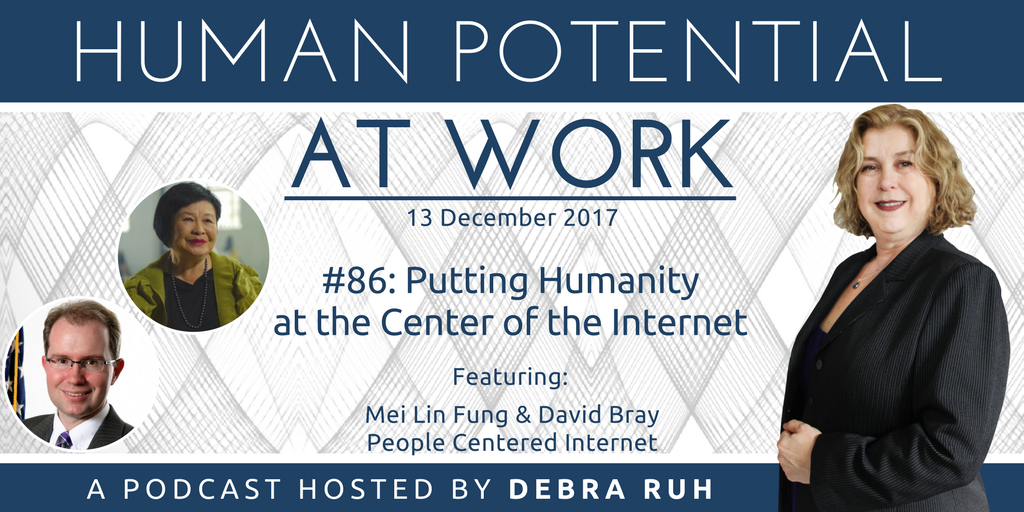
Episode Flyer for #86: Putting Humanity At the Center of the Internet
David Bray and Mei Lin Fung from People Centered Internet join the program to discuss how the internet can be used for social good and the efforts they are making to help billions of new users connect to the internet. Discover a broader definition of accessibility and the importance of how the internet can be used to bring people together and how the private sector, public sector and individuals can combine forces to humanize the internet.
Episode Flyer for #85: Uniting The Disability Community
Richard Schatzberg, Advisory Board Chair for Ruh Global, discusses his thoughts about the need to unite the disability community, and the role that social media can play in doing so. Richard also shares why he thinks it is crucial to make the business case for engaging the disability community, and gives some examples of brands who are doing this effectively, and the payoff for their efforts.
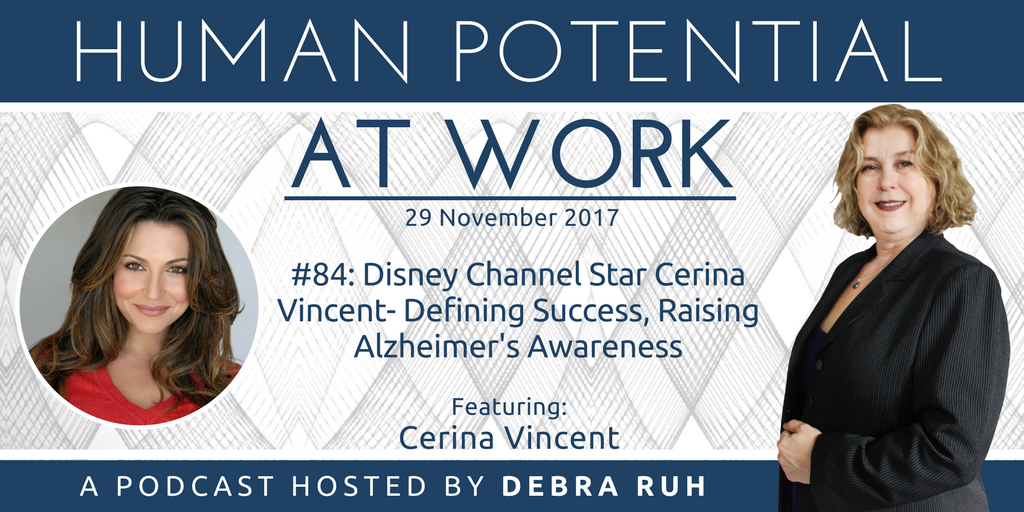
Episode Flyer for #84: Disney Channel Star Cerina Vincent- Defining Success, Raising Alzheimer’s Awareness
Cerina Vincent, who stars on the #1 most watched Disney Channel comedy series “Stuck In The Middle” joins the program to discuss the evolution of her career, and the importance of finding a personal definition of success. Cerina also shares her experience of being cast in the film “Broken Memories” a romantic drama centering around the issue of Alzheimers.
Healthcare is a topic that has been in discussion a lot lately in our political climate. Whether you are on one side or another of the debate, we all can agree that healthcare is something we all wish to have easy and affordable access to. Paying attention to our health is vital to our personal care. Thinking about my role within this entire system I have some thoughts.
Soon, I will be beginning my service as a volunteer medical assistant at a local free clinic. As a pre-med student, I am absolutely ecstatic to work for an organization that is committed to the ideal of healthcare as a basic human right. Last night, I was filling out my paperwork and completing some pre-orientation training. At the end of learning about the incredibly comprehensive care this small clinic offered to approximately 1,600 patients, I reached the last section of training: health care considerations for gender non-conforming patients. Often, this cohort faces a lot of difficulty accessing care because of their gender expression and how it relates to their bodies. Gender non-conforming patients are often discriminated against, misunderstood, disrespected, and are at-risk for higher incidence of certain medical issues that they are less likely to get treatment for because of the way they have been treated by healthcare providers in their lifetime.
I was extremely pleased by this training because it is absolutely necessary in ultimately reaching the goal for empathetic, quality healthcare for all. However, it got me thinking, what about all non-conforming bodies? Specifically, what about the community of people with disabilities (PwD)? What challenges do they face accessing healthcare and as a future provider, what can I do to educate myself and address these problems?
As I began my investigation, I encountered a prevailing attitudinal problem in accessing quality care for the PwD community that held parallels with the gender non-conforming community: the perception that your non-conforming body is the primary and predominant factor in diagnoses and treatments and that you are too difficult of a patient to treat. In no way is this the only barrier to access. One would have to live in a complete vacuum to not be aware of the debate on healthcare and the affordability of healthcare in this country, let alone the myriad of other barriers to access. However, I’d like to focus on this barrier because of it’s compelling social and cultural implications in how we perceive non-conforming bodies.
In the transgender community, activists have named the tendency for providers to attribute all their medical complaints to the fact that they are trans “trans broken arm syndrome”. It comes from a hypothetical scenario: a trans person goes to the emergency room for a broken arm and upon realizing their patient is trans, the provider ignores their arm altogether, concentrating all their attention on the fact that they are transgender[1].
In a qualitative study conducted by Dr. Mary Ann McColl (et. al.) on Physician Experiences Providing Primary Care to People with Disabilities, her team of investigators found that one-fifth of the primary care physicians participating in their study held a similar perception to their patients with disabilities[2]. This can cloud the judgment of the physician’s diagnostic reasoning by not properly exploring alternative causes to their patient’s complaints. It can also be incredibly insensitive to someone’s whole being. What a patient with a disability may perceive as simple a state of being, as they have simply lived with their disability and learned to adapt successfully to it, the provider perceives it as inherently illness. Disease does in fact coexist with disability but it is not an implicit condition of being disabled.
An incredible and compelling anecdote of these contradictory attitudes can be found in the neurologist Dr. Oliver Sacks’s case study of a man who has restored sight after being blind from the age of 10-50 titled To See and Not See. Virgil was suddenly able to see for the first time in his life after strong encouragement from his fiancee to pursue corrective surgery that suddenly became an option following the discovery of a misdiagnosis from when he first lost his sight. Virgil’s world descended into neurological chaos after the surgery in a strikingly similar fashion to the only 20 other cases ever recorded[3]. Vision was overwhelming and confusing because Virgil was astutely adapted to navigating the world without sight. Dr. Sacks explains that seeing and sight are two separate things. One must learn to see with the eyes and Virgil was no exception. He often found himself closing his eyes and reverting back to tactile sensing instead of dealing with the menagerie of confusion that was the totally foreign and new perception of light and shadow[4]. In fact, Virgil expressed what could be interpreted as regret, explaining how he experienced much more fear with sight than without it[5].
This anecdote to me truly illustrates the mental block that disability can present to providers. I am not speaking on behalf of the whole community as I’m sure depending on an individual’s perception and circumstance that they may very well understand their disability in the context of illness. However, my point is that this is not always the case and healthcare providers should know that many people with disabilities perceive their condition as simply part of them- a state of being, not an illness. I for one have reached that point with my epilepsy because it is a mild and rare form that has resisted all treatment. I know what my baseline is and if I experienced a change in it, I would seek medical attention. It would be disheartening if I found that my provider did not listen to me or trust that I understood what was normal for me and didn’t take that into consideration in determining a treatment plan. In fact, beyond being disheartening, it could lead to poorly informed conclusions and ill-conceived treatment.
Dr. Mary Ann McColl’s study also found the providers participating in the study felt unprepared to give a proper examination of their patients with disabilities and experienced their patients teaching them about their bodies[6]. Many participating physicians expressed enthusiasm for this learning experience and how they felt it was very important to them.[7] However, in the same vein of thought, some of the participating physicians in Dr. McColl’s study were hesitant to take on patients with disabilities because they saw them as too difficult[8]. The need for patients to teach their physicians is common in trans patients as well. According to the National Center for Transgender Equality, over half of all trans people have to teach the fundamentals of trans health care to their providers[9]. This points to a serious deficiency in education and training, which can be mind-boggling for the patients- physicians are supposed to be the experts on their human body, not the other way around.
I think some educators and providers might see this training and awareness as taxing and perhaps, extraneous but I implore those in charge of training, receiving training and in practice to please consider the implications of more inclusive care for both patients and providers. This is bigger than us and our egos. Healthcare providers are entrusted with the most vulnerable parts of a person’s being and in order to uphold the integrity of the profession we must zealously guard and strengthen this trust. Being informed and trained to properly examine and treat a body-diverse patient population reinforces the trust they have in us.
Is it not natural to doubt the years of training and expertise that comes with medical training if a person must explain their body to you? By increasing awareness, improving medical training, taking personal responsibility for extra training, and truly listening to the patient with empathy and respect, we are not only ensuring patients have the best care that providers can give, we are also helping to maintain (or establish for the first time) their trust in the biomedical model as a whole. To do otherwise is a disservice to everything we have sacrificed for this role and as my journey continues, I am well aware that the sacrifices are great. We have nothing to lose in becoming more informed but a lot to gain and take back in terms of respect and trust. I hope that learning to more effectively treat anyone who has a non-conforming body will become a vital aspect to our training. Then one day, no one will hesitate to seek medical attention out of apprehension, but instead trust and respect their team of healthcare providers and feel supported, affirmed, and cared for.
Episode Flyer for #83: Inclusion in Education- How and Why The Education System Needs To Change
Roy Andersen joins the program to discuss the importance of inclusion in education and how to remove the blocks that keep students from learning. Roy shares his own experiences of struggling as a young student and what it taught him about how education needs to change. Roy explains his perspective on what intelligence is, how children learn and why and how we must change the school experience to provide the future global society with a new model citizen.
Written by Rosemary Musachio, Chief Accessibility Officer (CAO) at Ruh Global Communications
A few months ago, the local news program did a piece on a man with a disability getting married to a woman without a disability. Why is that news, I thought. Thousands of couples marry each day, yet their nuptials aren’t featured on the six o’clock news.
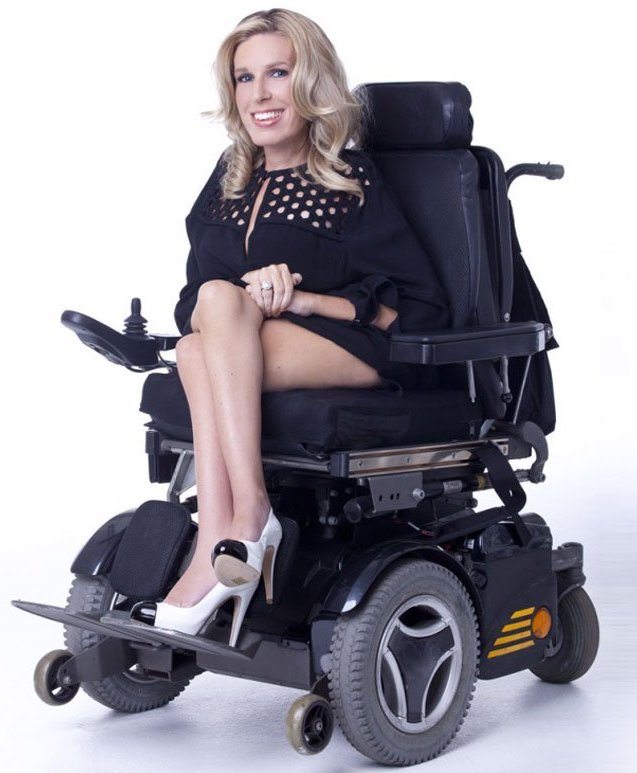
Like everyone else, persons with disabilities are romantic and sexual. We need to love and be loved. Although some of us can’t move our legs or our arms, our hearts still beat like African drums when we’re in love. Although some of us can’t use our hands to caress or our lips to kiss, we find other ways to express our love and desires. If society doesn’t know this, it shouldn’t matter, right?
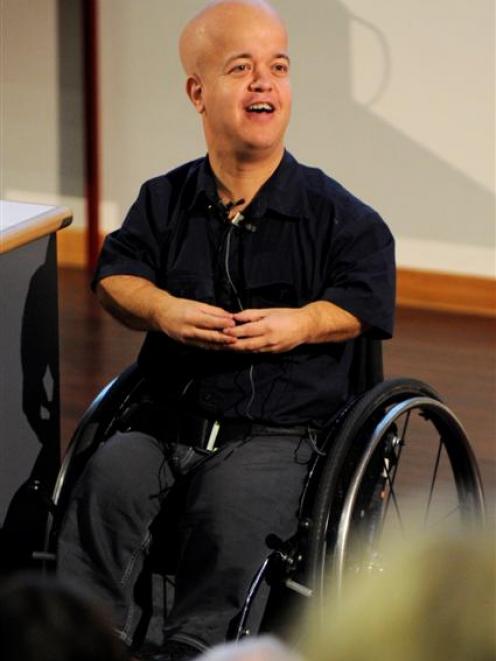
Dr. Danielle Sheypuk
Wrong.
Dr. Danielle Sheypuk is a sex therapist for persons with disabilities. In a TedTalk she gave, she said sex is one of the basic drives of humanity. According to Dr. Sheypuk, a former Miss Wheelchair New York, persons with disabilities are ignored in the dating scene because society sees us as asexual beings. Once again, it all stems back on how the media portrays us, or rather how it shows the ideal man and woman. They have biotic abilities and mint beauty. They can do incredible gymnastics in the bedroom without breaking bones or even getting their hair messed up! So when people see these images, they search for similar characteristics in romantic partners. To them, therefore, we may be considered broken or sick.
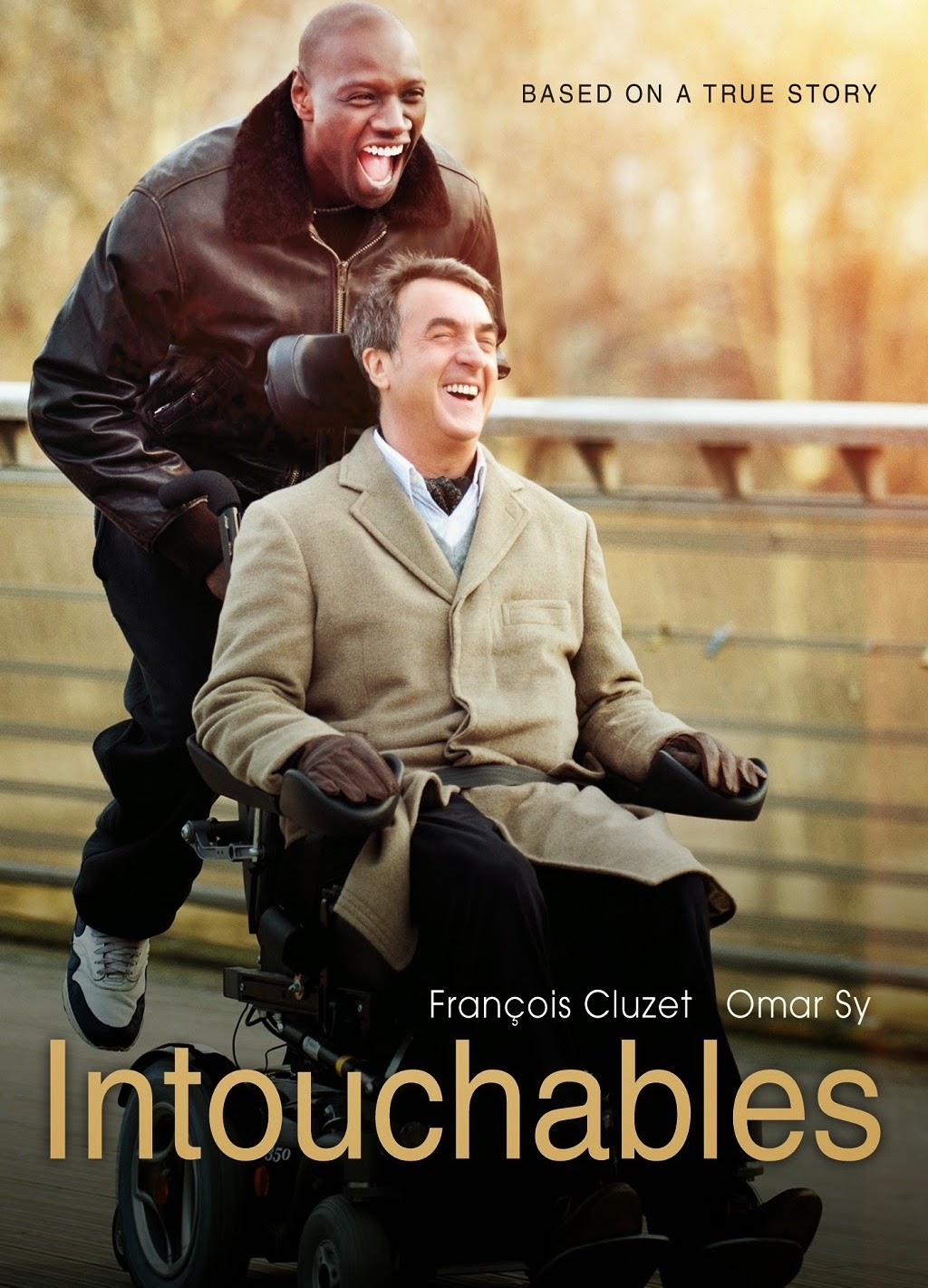
The Intouchables
As I wrote in The Media Shines A Brighter Spotlight on Persons with Disabilities, the film industry has portrayed us as asexual until recently. Films like “My Left Foot” and “Christie” show how we aren’t considered sexual beings by the able-bodied. Movies such as “Children of a Lesser God”, “The Intouchables”, and “Me Before You”, however, show how persons with disabilities can be desirable to individuals without them. In these films, the non-disabled partner is either a caregiver or a teacher whose profession allows them to see beyond the disability. Because of their professions, they become acquainted with the individuals, not their debilitating conditions.
Besides asexual, society has portrayed us as other sexual stereotypes. As Dr. Tom Shakespeare wrote in his book The Sexual Politics of Disability, we also are misconceived as hypersexual. Since nobody wants us, we have plenty to give. This myth has led to horrible consequences. When persons with disabilities were institutionalized, facility workers often used to molest and rape them. Sadly, cases still exist today. For example, according to Care2, California reported thirty-eight incidents of molestation and rape at developmental disabilities facilities within the last four years.
Dr. Tom Shakespeare
Another stereotypical belief cited by Dr. Shakespeare is that our disabilities will be inherited by our children. Many disabilities are not genetic, however. So if a person who has cerebral palsy or paralysis due to an accident, the baby probably wouldn’t have a disability as the parent has. Yet, even if a person has a genetic impairment, having sex isn’t about procreation. It’s about expressing love, feeling pleasure, and making someone else feel it.
Those stereotypes that Dr. Shakespeare identified are discussed in depth in the 1994 documentary Untold Desires. The extreme blunt 1994 film presents the perspectives of men and women with disabilities, caregivers, and health professional about sexuality. Although it was created twenty-three years ago, it still compels viewers to open their minds about how we can show love and passion in diverse ways. The documentary was filmed in Australia when ideals and beliefs have been more progressive than those of the United States during that time and even now.
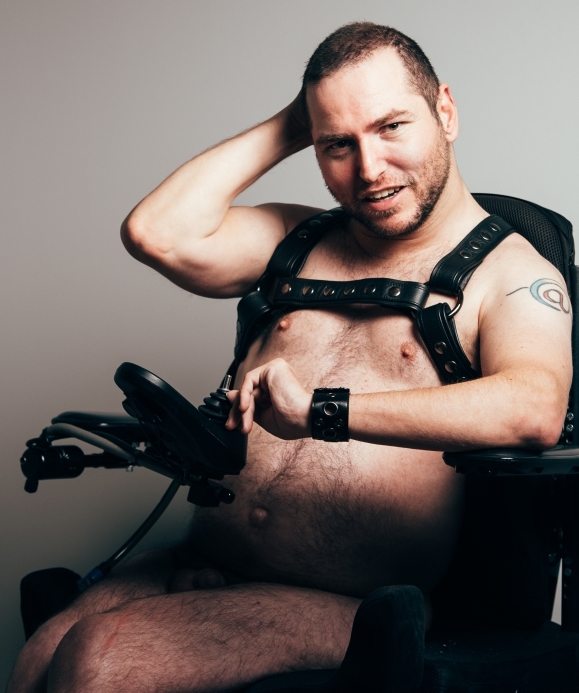
Individuals with disabilities definitely can show love and give pleasure. They just may not do it as everyone else seems to do it. As Andrew Morrison Gurza writes in Why Sex With Someone With a Disability Is the Best Sex You Could Be Having!, arousal and fulfillment can be achieved in several other ways than normal intercourse. When you make love to a person who can’t be in certain positions, it forces you to be creative. The creativity makes sex more exciting, more spiritual in some cases. Since this is a PG-rated blog, you need to use your imagination as you do in lovemaking. Yet, here are subtle hints: different positions, assistive sexual devices, and different parts of the body.
Andrew Gurza
As Gurza also states in his article, besides using creativity, another benefit to making love with a person with a disability is open communications. The intimacy doesn’t start with the body; it starts with the mind, heart, and soul. Even before the lovemaking begins, you need to know what works, what hurts, and what makes both of you orbit. Afterwards, you should talk about the same things, only in the past tense. Many persons without disabilities don’t need to communicate before or after having sex. While they may experience momentarily pleasure, they may not feel fulfillment in their souls as (ironically) those who have physical obstacles do.
Some individuals with disabilities are compelled to seek sex surrogates if they can’t find anyone who is accepting, understanding, and compassionate enough to have a relationship with them. In “The Sessions”, Helen Hunt portrays a sex therapist who helps a paralyzed man with an iron lung have his first sexual experience. Both of them develop feelings for each other, overstepping the therapist-client relationship. While the concept of having a sexual surrogate is well intended, we shouldn’t have to go to that extreme. We should be able to find a loving, caring partner somehow, someway. Yet, this is romantic fiction for many of us.
So I guess running a story on the six o’clock news about someone with a disability getting married is noteworthy. It proves that being attracted or in love with us isn’t fiction at all.
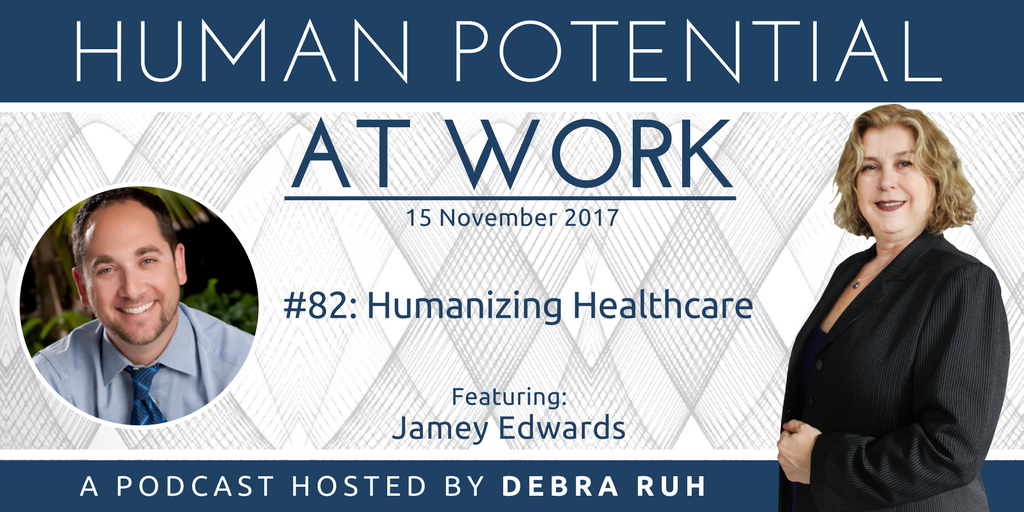
Jamey Edwards, CEO of Cloudbreak Health, shares the work he’s been doing to humanize and fix the healthcare system in the US. Discover how Cloudbreak is providing innovative solutions that allow for greater ease of access for patients, better communication between providers, and empowerment of patients, providers and hospitals.